How to Dress for a Curvy Body Type: 10 Simple Rules for Men Over 40

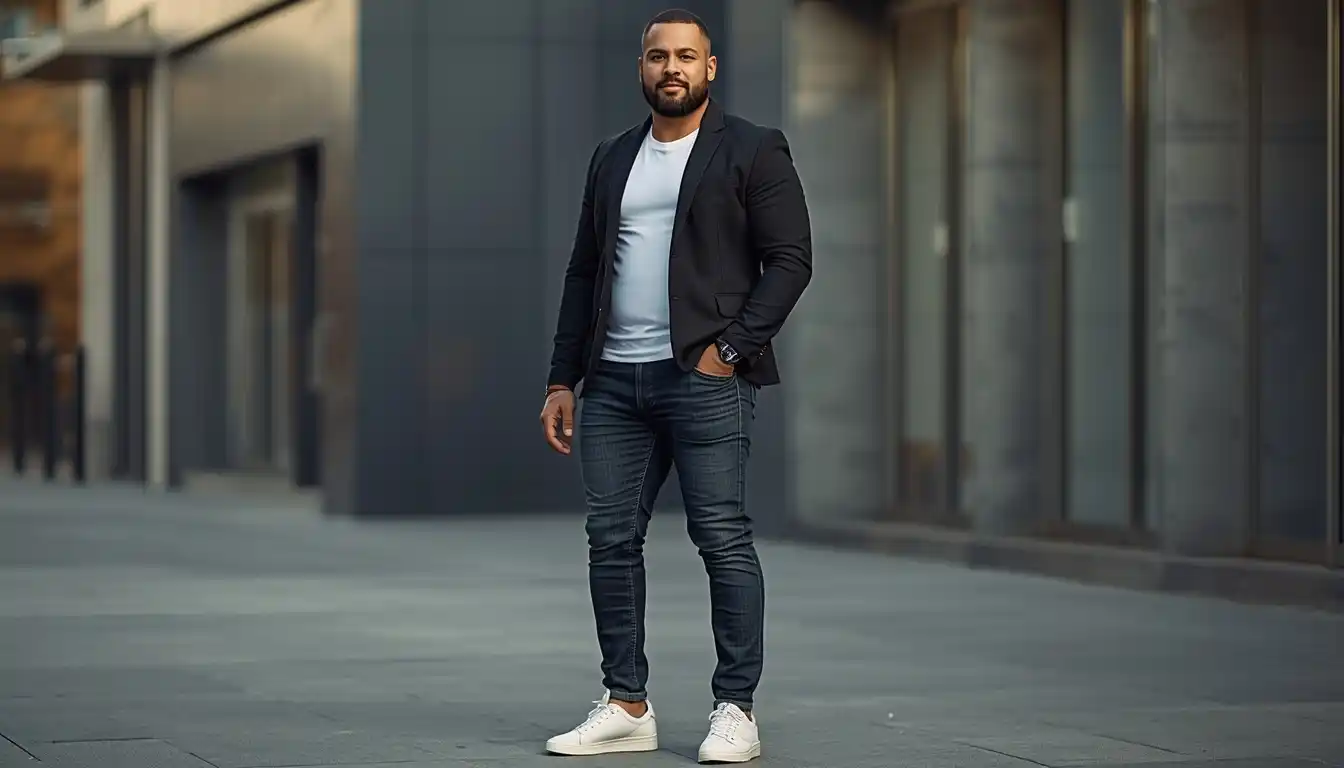
Getting dressed shouldn’t feel like solving a puzzle every morning.
But for many men over 40, it does. Clothes that once fit well now feel off. Shirts pull at the stomach. Pants sit wrong. And most advice online seems made for younger, leaner bodies.
Weight often settles around the chest and belly with age. That’s normal. What’s frustrating is not knowing how to dress for it.
This guide fixes that. You’ll learn how to dress for a curvy body type men without guessing. No trends. No complicated rules. Just practical steps that work in real life.
We’ll cover men over 40 style tips that actually make a difference. You’ll see how to pick the right fit, choose better fabrics, and use color to your advantage.
If you’ve been struggling with dressing for belly fat men, you’re not alone. And you don’t need a whole new wardrobe. Small changes can make a big impact.
Let’s start with the rule most men get wrong.
Rule 1: Fit Is Everything (Not Tight, Not Baggy)
Baggy clothes don’t hide weight. They make you look bigger.
Tight clothes don’t help either. They highlight every area you’re trying to downplay.
The goal is simple. Wear clothes that follow your shape without squeezing it.
Start with your shoulders and chest. If these areas fit well, the rest of the outfit looks better right away. A shirt that sits clean on your shoulders creates structure. That structure makes your body look more balanced.
Here’s where most men go wrong. They size up to hide the belly. That extra fabric adds bulk instead of removing it. You end up looking wider, not slimmer.
Style experts like Antonio Centeno often point out that proper fit beats brand or price. Even a simple shirt looks sharp when it fits right.
Tailoring also helps more than most people think. Small adjustments can improve how others see your body shape.
Quick rule: If it hangs like a tent or stretches like a second skin, it’s wrong.
Focus on proper fit for men over 40 and you’ll instantly find clothes that slim body men without trying too hard.
Rule 2: Choose Structured Fabrics Over Soft Ones
Soft fabrics feel good. But they don’t always look good on a curvy body.
Thin materials cling to your stomach and chest. They highlight every curve. That’s the opposite of what you want.
Instead, go for thicker, structured fabrics. These hold their shape and create clean lines. And here’s why that matters. Structure gives your body a more defined outline.
Think about this. A blazer instantly makes you look sharper than a T shirt. Denim looks more put together than sweatpants. The difference is structure.
Fashion voices like Tan France often stress the importance of fabric weight. He suggests choosing materials that sit away from the body instead of clinging to it.
Here’s a simple swap:
- Thin cotton tee → heavier cotton or polo
- Soft joggers → structured jeans or chinos
Quick rule: If the fabric sticks, skip it. If it holds shape, keep it.
Choosing structured clothing men options is one of the easiest ways to upgrade your look. It’s also key when picking the best fabrics for bigger men.
Rule 3: Dark Colors Slim, But Contrast Shapes
Color matters more than most men think.
Dark shades make your body look smaller. Light colors do the opposite. That’s not opinion. It’s basic visual perception. Dark tones recede, while light ones stand out.
But wearing all black isn’t the only answer. You also need contrast.
Here’s how it works. Contrast creates lines that shape your body. Without it, your outfit can look flat and boxy.
A simple combo works well. Try a navy blazer with black jeans. Or a dark shirt with slightly lighter pants. This creates a clean vertical flow.
Monochrome outfits also help. Wearing similar shades from top to bottom makes you look taller and leaner.
Style guides from GQ often highlight dark palettes as a smart move for heavier builds.
Quick rule: Use dark colors as your base, then add light contrast to define shape.
This is one of the easiest ways to use slimming colors for men and build a clean monochrome outfit men look.
Rule 4: Avoid Horizontal Stripes, Use Vertical Details
Horizontal stripes can work on some body types. This isn’t one of them.
They stretch your body visually from side to side. That makes you look wider than you are.
Vertical details do the opposite. They draw the eye up and down. That creates a longer, leaner look.
You don’t need loud patterns. Subtle works better.
Pinstripes are a great example. They add style without drawing too much attention. Even small details help. Shirt buttons, zippers, and seams all create vertical lines.
Here’s where most men go wrong. They pick bold patterns thinking it adds personality. But large patterns can overwhelm your frame.
Outfits featured in Esquire often show how simple vertical elements can refine a look without effort.
Quick rule: Skip wide stripes. Choose clean vertical lines instead.
This small change makes a big difference when choosing patterns for bigger men and improving vertical stripes men style.
Rule 5: Layer Smartly (Creates Structure Instantly)
Layering is one of the fastest ways to improve your look.
And no, it’s not about piling on clothes. It’s about adding structure.
An open layer creates vertical lines. Those lines break up the width of your torso. That makes you look slimmer right away.
Start simple. Throw an open shirt over a T shirt. Or wear a blazer over a polo. You’ll notice the difference instantly.
Here’s where most men go wrong. They wear everything closed and tight. That removes the vertical effect.
Layering also adds depth. It keeps your outfit from looking flat or boring.
Experts like Antonio Centeno often recommend layering as a key move for heavier body types. It creates shape without effort.
Quick rule: Keep outer layers open when possible. Let them frame your body.
If you’re learning layering for men over 40, this is step one. It’s also a smart way to figure out how to hide belly with clothes without overthinking it.
Rule 6: Focus on Shoulder Fit to Balance Proportions
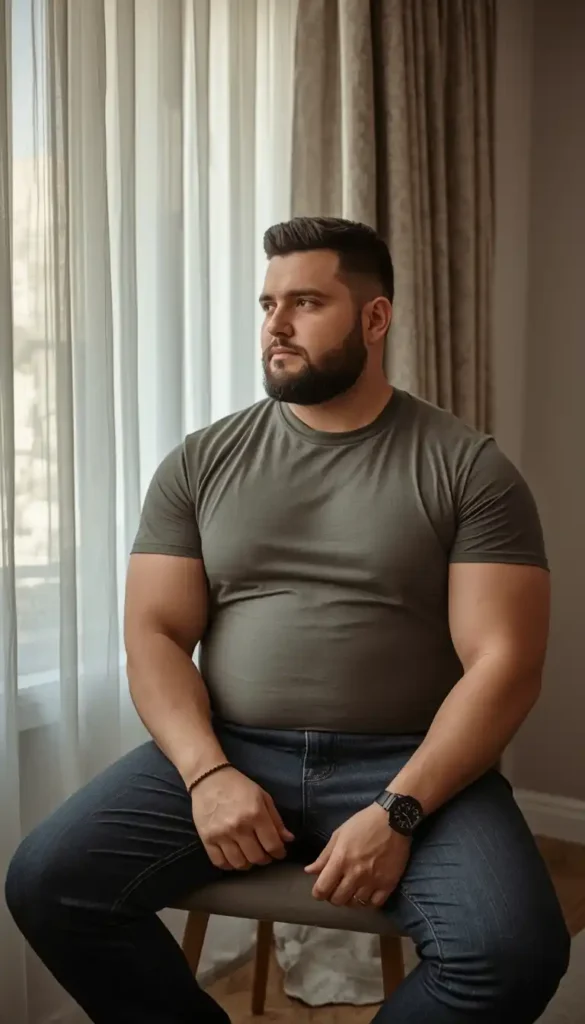
Your shoulders set the tone for your entire outfit.
Strong, well-fitted shoulders make your waist look smaller. It’s a simple visual trick, but it works.
When shirts or jackets fit right at the shoulders, your body looks more balanced. When they don’t, everything looks off.
Avoid dropped shoulder seams. They make your upper body look slouched and wider.
A good jacket should sit clean at the edge of your shoulders. Not tight. Not hanging. Just right.
This creates what many call an athletic shape. Even if you don’t have one naturally, your clothes can create the illusion.
Style advice from GQ often points to shoulder structure as a key detail in men’s fashion.
Quick rule: If the shoulders don’t fit, nothing else will.
Mastering this is essential for men proportions styling and helps you balance body shape men without effort.
Rule 7: Wear the Right Pants (Most Men Get This Wrong)
Pants can make or break your outfit.
Most men focus on shirts and ignore what’s below. That’s a mistake.
Start with the rise. Mid rise pants are your best option. They sit comfortably and don’t highlight your stomach.
Low rise pants are the worst choice here. They push your belly over the waistband and create an uneven shape.
Fit matters too. Go for straight or slightly tapered cuts. Skinny jeans are too tight. Baggy pants add bulk.
Here’s another common issue. Elastic waistbands. They feel comfortable, but they don’t give structure. A firm waistband creates a cleaner look.
Try this comparison. High rise trousers create a smooth line. Low rise jeans break it. The difference is obvious.
Guides from Esquire often stress the importance of proper trousers for overall style.
Quick rule: Choose structure over comfort only pieces. Balance both when possible.
Finding the best pants for belly fat men is easier when you focus on rise and fit. It’s also key for choosing the right pants for curvy men.
Rule 8: Keep Shirts Slightly Structured, Not Clingy
Tight shirts are not your friend.
They cling to your stomach and chest, making everything more visible.
But going too loose doesn’t help either. You lose shape and look bigger.
The sweet spot is a slightly relaxed fit. One that gives room without looking oversized.
Button down shirts are a great choice. They hold structure better than thin T shirts. Oxford shirts, for example, keep their shape and look clean.
Fabric thickness also matters. A thicker shirt hides more than a thin one.
Here’s a simple test. If the fabric sticks when you move, it’s too thin.
Style sources like GQ often recommend structured shirts for a sharper look.
Quick rule: Choose shirts that skim your body, not hug it.
This makes a big difference when picking shirts for bigger men and improving your approach to dressing for belly fat men.
Rule 9: Use Accessories to Shift Attention
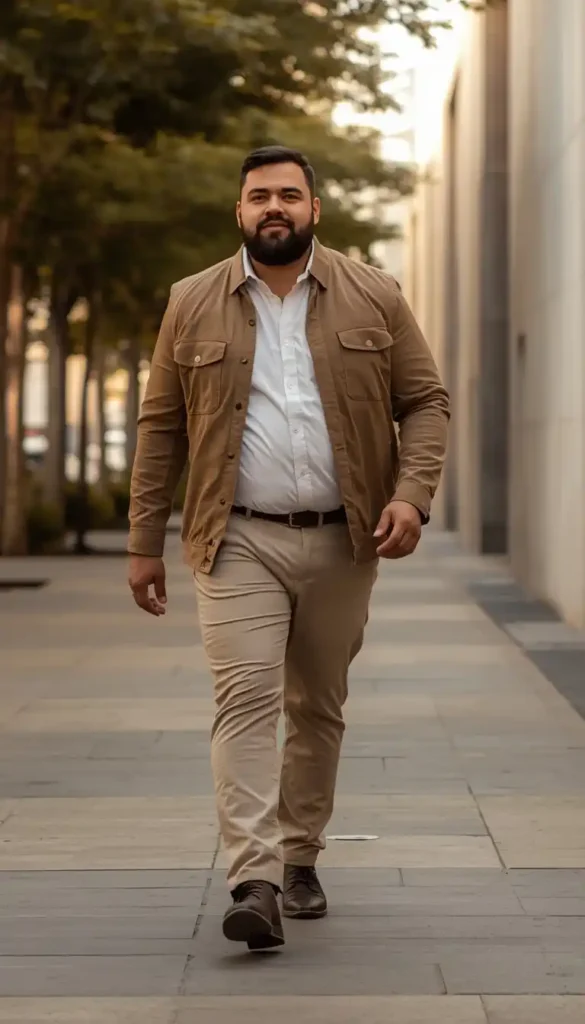
You don’t need a lot of accessories. Just the right ones.
Accessories guide where people look. That’s powerful.
A clean watch draws attention to your wrist. Good shoes pull focus downward. Glasses can frame your face.
This shifts attention away from areas you may not want to highlight.
Here’s where many men go wrong. They either ignore accessories or go overboard. Both hurt the look.
Keep it simple. One or two pieces are enough.
Avoid bulky belts. They sit right on the belly area and draw attention there.
Quick rule: Use accessories to guide the eye, not distract it.
Smart choices in men style accessories can improve your look without changing your clothes. It’s a simple form of attention shifting fashion that works.
Rule 10: Grooming and Posture Matter More Than You Think
Clothes help. But they’re not everything.
Posture alone can change how your body looks. Stand straight, and your stomach looks smaller. Slouch, and it stands out more.
This isn’t just opinion. Body language studies show posture affects how people see you.
Grooming also plays a big role. A clean haircut, trimmed beard, and neat appearance make you look more put together.
You don’t need anything fancy. Just consistency.
Confidence ties it all together. When you feel good in what you wear, it shows.
Advice from Tan France often highlights confidence as the final piece of style.
Quick rule: Stand tall and stay sharp. It makes every outfit better.
Strong men over 40 grooming habits and a confident mindset are key parts of confidence style men.
Conclusion
Looking better isn’t about being thinner. It’s about being smarter with what you wear.
Fit, structure, and proportion matter more than size. Small changes can reshape how your body looks in clothes.
Start simple. Check your wardrobe. Fix the fit. Swap out a few pieces.
You don’t need to change everything at once. Try two or three rules from this guide and build from there.
If possible, invest in basic tailoring. It makes a bigger difference than buying more clothes.
Now you know how to dress for a curvy body type men without guessing. Keep it simple. Keep it consistent. And most of all, wear what makes you feel confident.

