
How to Prevent Razor Burn Fast: A Comprehensive Guide

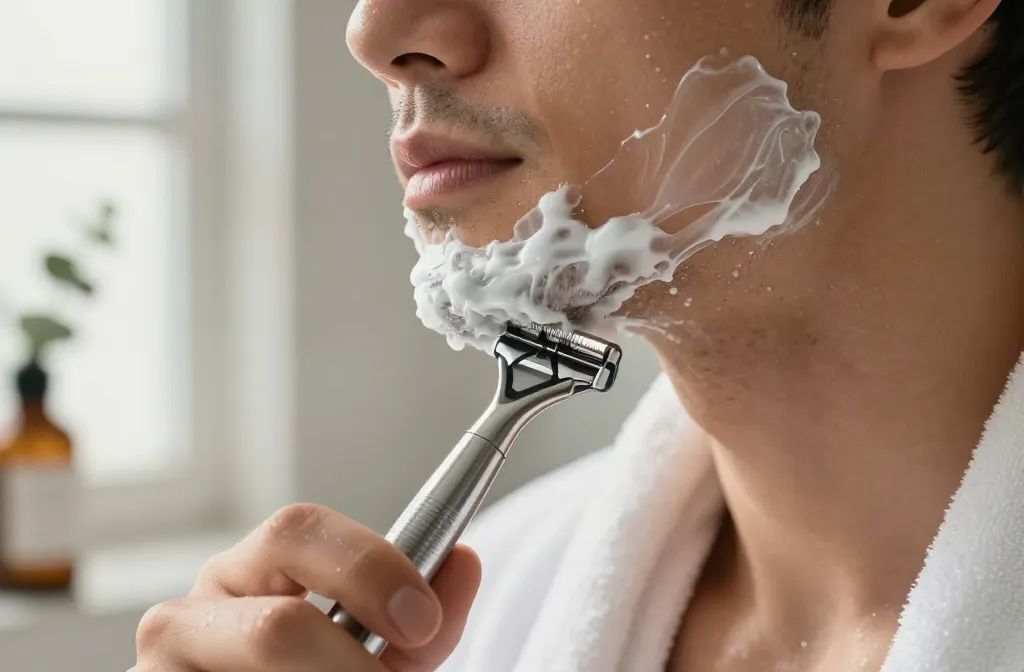
Razor burn is a common problem that can ruin a perfectly good shave, leaving your skin red, itchy, and irritated.
The good news is that you can prevent razor burn by following some simple tips and techniques.
In this article, we’ll explore what causes razor burn, how to prep your skin, choose the right tools, master your shaving technique, and take care of your skin post-shave.
Field Guide
Six Steps to Prevent Razor Burn
Razor burn is almost always fixable at the routine level. Expand any step for the specific technique that matters.
Step 1Prep the skinSoften hair, open pores, add slip
Shave after a warm shower to soften hair and open pores. Cleanse first to lift oil and dead cells.
Apply a pre-shave oil or gel for an extra glide layer, and stick to warm water rather than hot so the skin does not dry out before the blade touches it.
Step 2Pick sharp toolsFresh blade, cushion cream, fewer edges
Replace the blade every five to seven shaves, or the moment it starts to tug. Multi-blade heads can over-shave, so a single or double-blade often irritates less on sensitive skin.
Choose a cushiony cream with glycerin, aloe, or squalane, and skip heavy fragrance. A foil electric shaver is a fair trade if blades keep letting you down.
Step 3Master the techniqueLight pressure, short strokes, follow the grain
Map hair direction in each area. Shave with the grain first, across the grain second, and against the grain only if the skin tolerates it.
Use light pressure and let the blade do the work. Keep strokes short, rinse the razor often, cap it at two or three passes, and stretch the skin gently around the neck and jaw.
Step 4Care for the skin afterCool rinse, pat dry, soothe, moisturise
Rinse with cool water to calm the skin and close pores, then pat dry rather than rubbing.
Apply an alcohol-free aftershave with aloe, allantoin, or panthenol, and follow with a moisturiser containing ceramides, glycerin, or hyaluronic acid to protect the barrier.
Step 5Treat an active burnCalm inflammation, clear ingrowns carefully
A thin layer of 1 percent hydrocortisone for one to two days brings redness down. A niacinamide serum soothes lingering irritation.
For ingrown-prone zones, use salicylic or glycolic acid two to three times a week between shaves, and skip the razor on that area for a couple of days.
Step 6Adjust for tricky areasNeck, bikini, and coarse or curly hair
Curly or coarse hair does best with a single-blade or safety razor, no against-the-grain passes, and gentle exfoliation two or three times a week.
On the neck, map the grain carefully since it changes direction. For the bikini line, trim first, use a fresh blade, and wear loose clothing afterward to reduce friction.
Understanding Razor Burn
Causes and Triggers Razor burn occurs when you irritate your skin while shaving. The main causes include:
- Using dull blades
- Lack of proper preparation
- Incorrect shaving technique
- Overusing shaving products
- Having sensitive skin or curly hair
To prevent razor burn, you need to use sharp blades, prep your skin adequately, and be gentle with your technique. Small changes in your routine can make a significant difference.
Prepping Your Skin for a Comfortable Shave
Proper skin preparation is crucial for preventing razor burn. Here’s what you should do:
- Shave after a warm shower to soften your hair and open up your pores.
- Use a gentle cleanser to remove oil, dirt, and dead skin cells.
- Apply a pre-shave oil or gel to add an extra layer of protection and reduce friction.
- Use warm water, not hot, to avoid drying out or irritating your skin.
Choosing the Right Shaving Tools
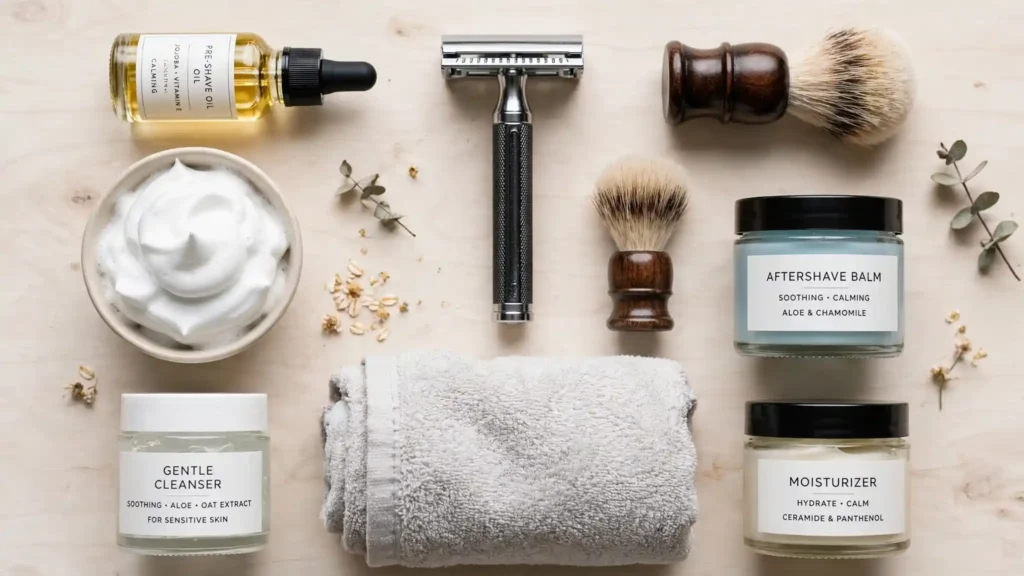
The right shaving tools can make all the difference in preventing razor burn. Keep these points in mind:
- Always use sharp blades and replace them every 5-7 shaves or sooner if you feel tugging.
- Consider using a razor with fewer blades, as multi-blade razors can sometimes cause over-shaving and irritation.
- Opt for a cushiony shave cream with soothing ingredients like glycerin, aloe, or squalane. Avoid heavy fragrances and menthol if you have sensitive skin.
- A shaving brush can help lift hairs and distribute lather evenly, providing a smoother shave.
Electric vs. Manual Razors
If your skin is particularly sensitive to blades, consider using a foil electric shaver. While you may sacrifice some closeness, you’ll likely experience less irritation. Ultimately, it’s about finding what works best for your skin.
Mastering Your Shaving Technique
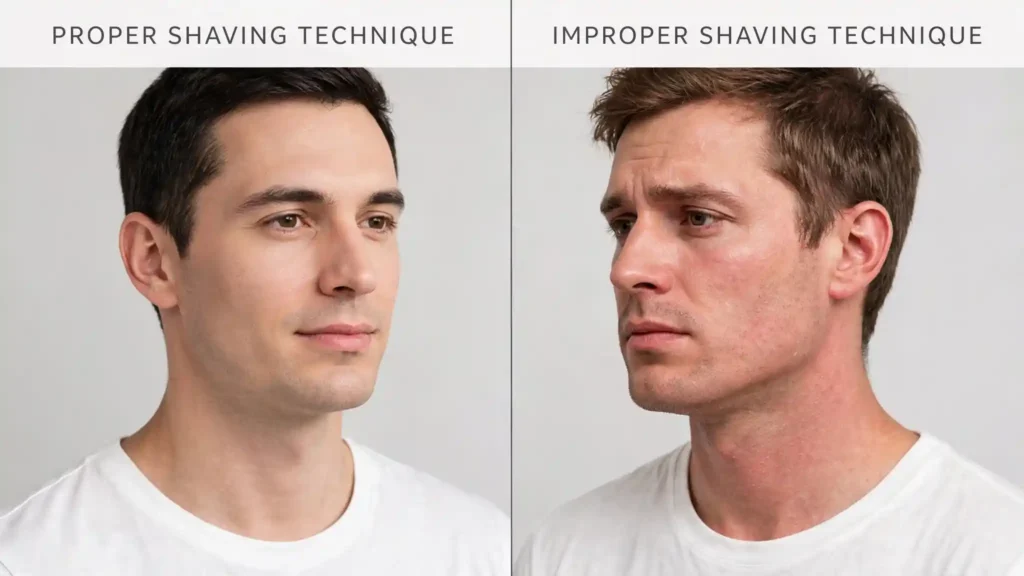
Proper shaving technique is key to preventing razor burn. Follow these guidelines:
- Determine the direction of your hair growth (grain) in each area and shave with the grain first, across the grain second, and against the grain last (if your skin can tolerate it).
- Use light pressure and let the razor do the work. Pressing harder won’t give you a closer shave; it will only irritate your skin.
- Use short strokes and rinse your razor frequently to avoid clogging.
- Gently stretch your skin, especially in areas like the neck and jawline, to achieve a cleaner cut with fewer passes.
- Limit the number of passes to two or three to minimize irritation.
Against the Grain
Proceed with Caution Shaving against the grain can provide a baby-smooth finish, but it also increases the risk of razor burn and ingrown hairs.
If you want a close shave without irritation, stop at shaving across the grain. If you do attempt an against-the-grain pass, use a light touch and only on less sensitive areas.
Post-Shave Care:
Soothing and Protecting Your Skin Proper post-shave care is essential for preventing razor burn and keeping your skin healthy. Here’s what to do:
- Rinse your skin with cool water to soothe and close your pores.
- Pat your skin dry gently; don’t rub, as this can cause friction and irritation.
- Use a gentle, alcohol-free aftershave with ingredients like aloe, witch hazel (alcohol-free), allantoin, or panthenol.
- Moisturize your skin to lock in hydration and support your skin barrier. Look for products with ceramides, glycerin, or hyaluronic acid.
Treating Razor Burn and Ingrown Hairs
If you do experience razor burn or ingrown hairs, try these spot treatments:
- Apply a thin layer of 1% hydrocortisone cream for a day or two to reduce inflammation (don’t use it long-term).
- Dab on a niacinamide serum to soothe redness and irritation.
- Use salicylic acid or glycolic acid 2-3 times a week on ingrown-prone areas to keep follicles clear.
Navigating Special Cases
Neck, Bikini Area, and Curly Hair Some areas of the body are more prone to razor burn than others. Here’s how to handle them:
- For curly or coarse hair, use a single-blade or safety razor, avoid shaving against the grain, and consider using a pre-shave oil. Exfoliate gently 2-3 times a week to prevent ingrown hairs.
- When shaving your neck, map the grain carefully, as it can grow in different directions. Use minimal pressure and stick to shaving with or across the grain.
- For the bikini area, trim long hair first, use a fresh blade every time, and wear loose clothing afterward to minimize friction.
When to Consider Alternative Hair Removal Methods
If you consistently experience razor burn despite following best practices, consider switching to an electric trimmer or depilatory cream (always patch test first). Listen to your skin and prioritize its needs over any particular hair removal method.
Developing Healthy Shaving Habits Consistency is key when it comes to preventing razor burn. Adopt these simple habits for long-term success:
- Keep your blades clean and dry, storing them outside the shower to prevent rust and bacteria growth.
- Don’t share razors, even with close family members or partners, for hygiene reasons.
- Exfoliate regularly, but not right before shaving to avoid over-exfoliating.
- Shave less frequently, if possible, to give your skin time to recover.
- Be mindful of the products you use, opting for simple, non-irritating formulas.
Conclusion
Preventing razor burn is all about the cumulative effect of small, positive changes in your shaving routine.
By properly prepping your skin, using the right tools, mastering your technique, and taking good care of your skin post-shave, you can say goodbye to razor burn for good.
Remember to tailor your approach based on your individual skin type and trouble areas, and don’t hesitate to try alternative hair removal methods if needed.
With a little patience and consistency, you’ll be on your way to smooth, comfortable, irritation-free skin.
FAQ
How do I stop razor burn fast if I already have it?
Cool compresses, a gentle moisturizer, and an alcohol-free, soothing aftershave help immediately. Apply a thin layer of 1% hydrocortisone for up to 48 hours if things look inflamed. Avoid shaving the area for a couple of days and skip fragranced products until the redness settles.
Is shaving cream actually necessary?
Yes, unless you enjoy friction and regret. Shaving cream or gel provides cushion and glide, which means less tugging and fewer micro-cuts. If you’re out, a slippery alternative like hair conditioner or a dedicated pre-shave oil beats going in dry, IMO.
How often should I change my razor blade?
Swap it every 5–7 shaves, or immediately if you feel pulling. Coarse hair, body shaving, and cheaper cartridges may dull faster. A sharp blade is the cheapest insurance against razor burn.
Can I shave against the grain?
You can, but do it strategically. Go with the grain first, then across. If you still want smoother, try a very light ATG pass only on less sensitive areas. If you get bumps or burn, ditch ATG and live your best “close enough” life.
What’s the best thing for ingrown hairs?
Exfoliate gently with salicylic or glycolic acid a few times per week, keep the area moisturized, and avoid super-close shaves. Warm compresses help coax trapped hairs out. If ingrowns persist or look infected, see a dermatologist—sometimes prescription options work wonders.
Do I need different razors for face, body, and bikini?
Not mandatory, but it helps. Use a razor with a smaller head and high control for the face, and a flexible, grippy handle for body areas. For the bikini line, a fresh, sharp blade and extra glide products keep the peace. FYI, mixing uses dulls blades faster and raises hygiene issues.

