Men’s Size Finder
Enter your measurements in centimetres to find the right size for shirts, trousers, and suits.
Men’s Size Finder: Stop Guessing, Start Knowing Your Size
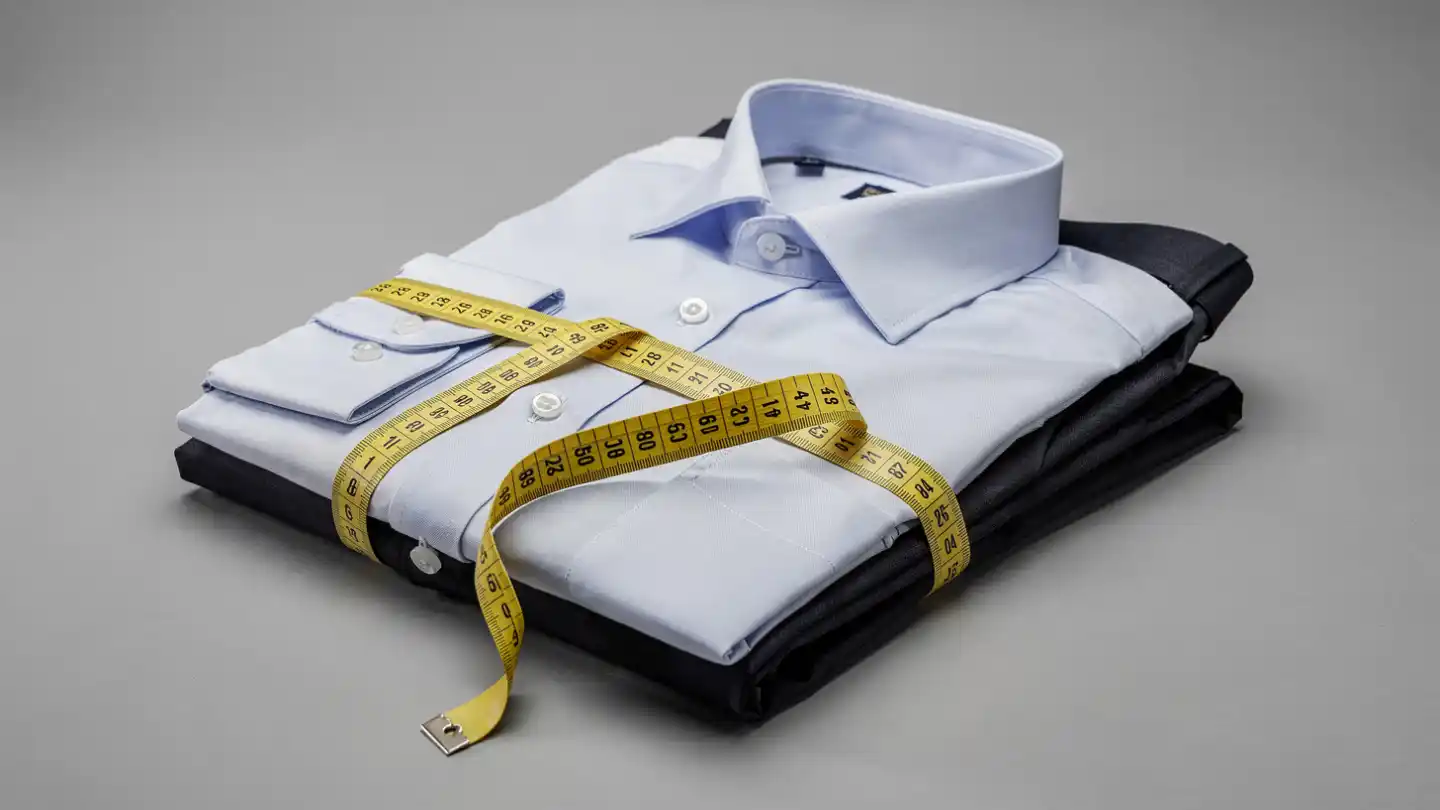
Be honest — how many times have you ordered a shirt online, only to have it show up either too tight across the chest or so loose it looks like a tent?
Sizing online is one of the most frustrating parts of shopping for clothes, and it’s not really your fault. The problem is that “Medium” means something different at almost every single brand.
This tool won’t fix that completely (no tool can — sorry!), but it will give you a solid, personalized starting point based on your actual body measurements.
What This Tool Does
The Men’s Size Finder asks for four simple measurements, all in centimeters:
- Chest circumference
- Waist circumference
- Hips circumference
- Inseam (inside leg length)
You don’t need all four to get useful results. Even entering just your chest measurement will give you a recommended shirt and suit jacket size. Add your waist, and you’ll also get a trouser size and a sense of whether a slim, regular, or relaxed fit suits your build best.
How to Measure Yourself Properly
Getting accurate numbers matters, so here’s how to do it right:
Chest: Wrap the tape measure around the fullest part of your chest, under your arms and across your shoulder blades. Keep the tape level and don’t puff your chest out — just breathe normally.
Waist: Measure around your natural waistline, which is usually right at your belly button, not where your pants currently sit.
Hips: Measure around the widest part of your hips and backside.
Inseam: Measure from your crotch down to where you want your trousers to end (usually the top of your shoe).
A couple of quick tips: measure over light clothing or none at all, keep the tape snug but not tight, and if you’re between two numbers, it’s usually safer to round up.
Why Fit Matters More Than Size Labels
Here’s something worth remembering: the number or letter on the tag matters a lot less than how the clothing actually sits on your body.
A “Large” from one brand might fit like a “Medium” from another. That’s why this tool focuses on your real measurements rather than trying to guess based on a size you’ve worn before.
It’s also why the tool gives you a fit suggestion (slim, regular, or relaxed) based on the relationship between your chest and waist measurements.
This can help you figure out which cut is going to be the most flattering, regardless of what size label is attached to it.
A Few Honest Notes
- Sizing still varies by brand. Always check the specific size chart on the website you’re buying from, especially for suits, blazers, and anything tailored.
- Re-measure occasionally. Bodies change over time, so it’s worth doing this again every year or so, especially after a big lifestyle change.
- When in doubt, check reviews. A lot of online shoppers leave notes like “runs small” or “true to size” — these can be just as helpful as a size chart.
Bottom Line
Knowing your real measurements is one of the simplest ways to shop smarter, avoid the hassle of returns, and end up with clothes that actually fit the way they’re supposed to. Punch in your numbers above, and use the results as your go-to reference the next time you’re shopping online.