13 Minimalist Men’s Style for Beginners (No Fashion Degree Needed)

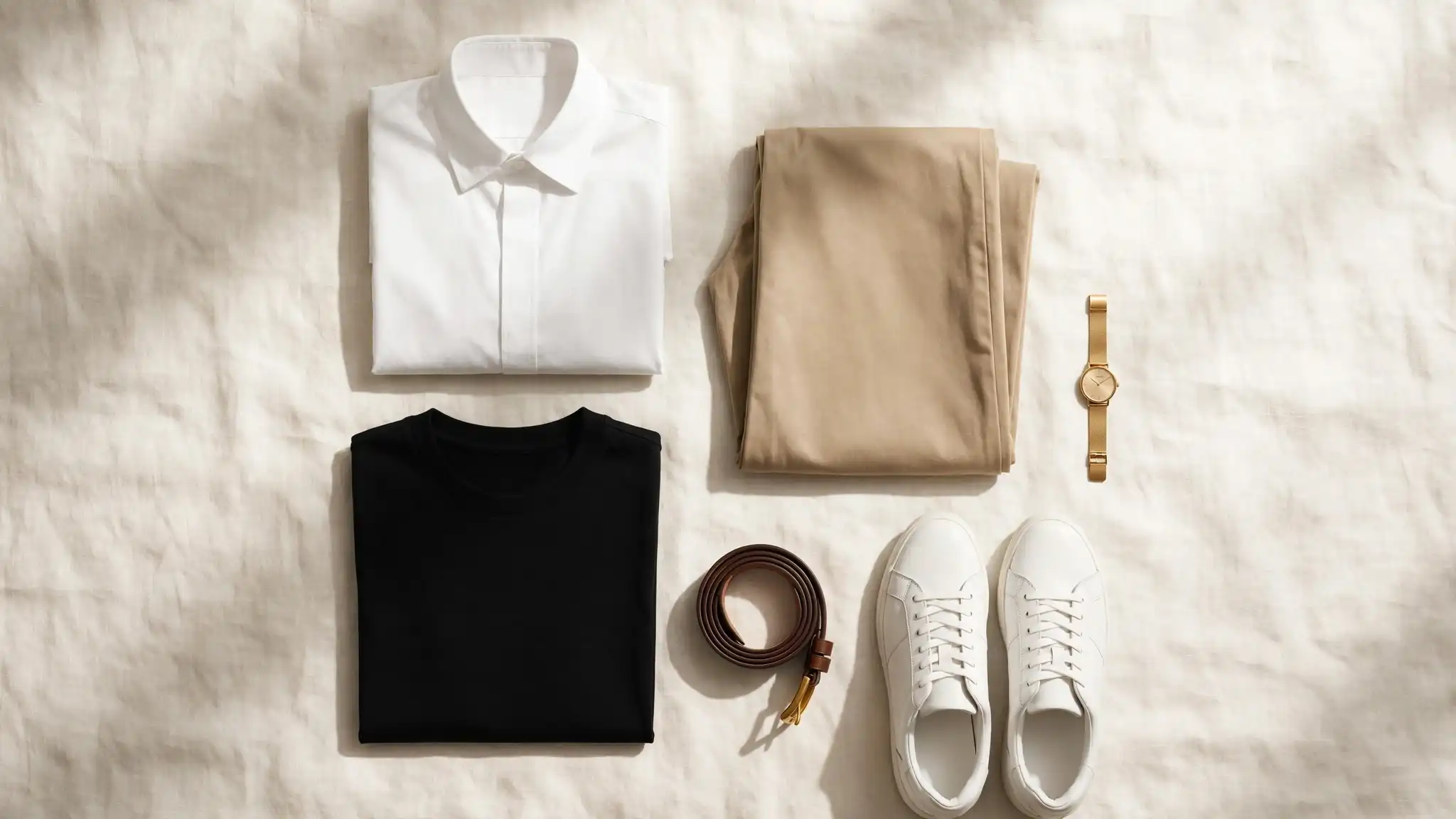
Building a stylish wardrobe often feels confusing for men who constantly see changing trends, expensive brands, and complicated styling advice online.
Many beginners believe looking fashionable requires endless shopping, expert knowledge, or a naturally perfect sense of style from the beginning.
Thankfully, minimalist men’s style for beginners removes unnecessary pressure while helping ordinary men dress better with less effort every day.
Instead of chasing loud trends, minimalist fashion focuses on clean outfits, versatile clothing, timeless colors, and comfortable confidence that feels natural.
This approach works especially well for men wanting practical outfits that look polished without spending hours planning complicated combinations every morning.
Simple men’s fashion also helps reduce clutter, improve confidence, and create consistent outfits that match different lifestyles and daily responsibilities comfortably.
Whether you want a capsule wardrobe for men, timeless men’s outfits, or beginner men’s fashion tips, minimalist styling creates an easier starting point.
This guide shares realistic advice that feels practical, affordable, and approachable without requiring any fashion degree or luxury wardrobe collection.
Why Minimalist Fashion Works Better for Most Men
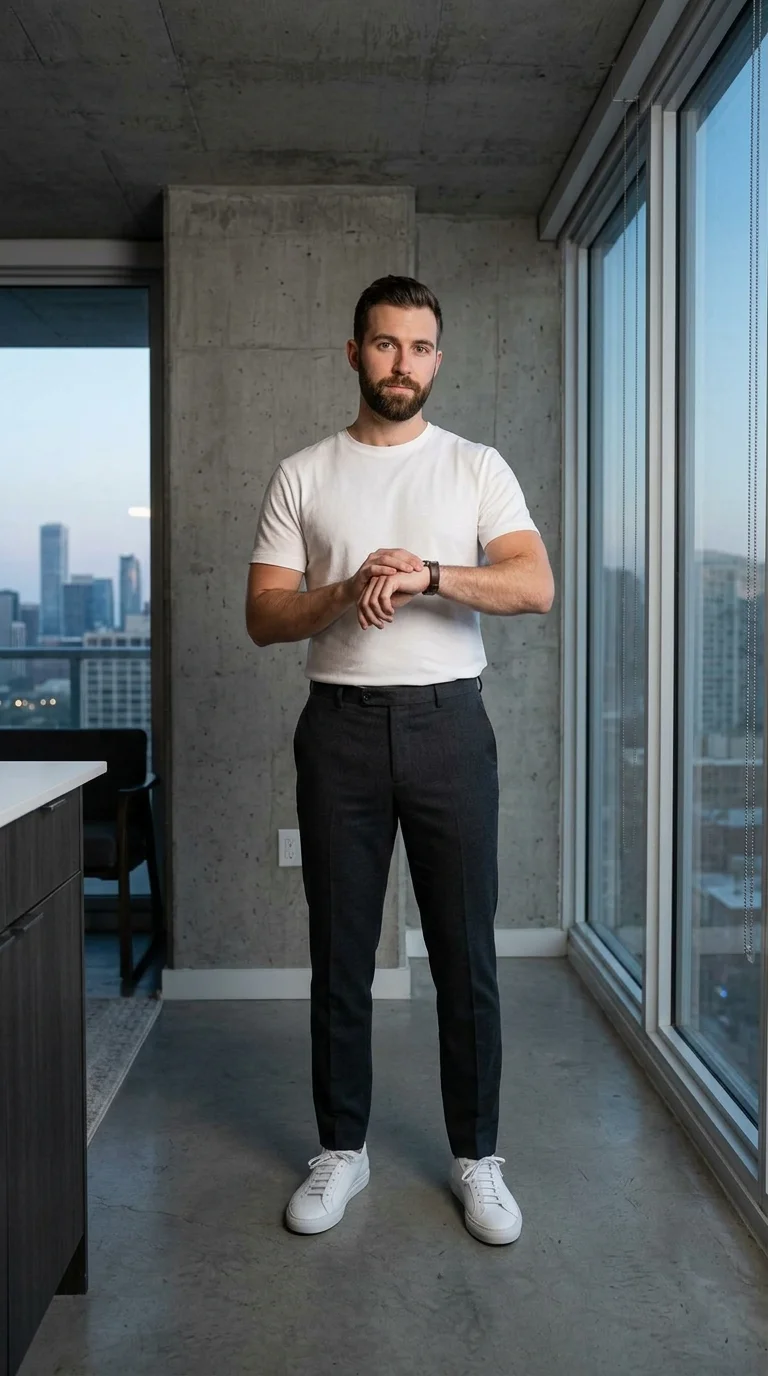
Minimalist fashion works well because it removes unnecessary decisions while helping men create cleaner and more intentional outfits every single day.
Many men waste money buying random clothing pieces that rarely match other items already sitting inside their crowded wardrobes unnecessarily.
A minimalist wardrobe solves this problem by focusing on versatile clothing that combines naturally without creating visual confusion or styling stress.
Instead of owning dozens of average outfits, minimalist men usually own fewer clothing pieces that consistently look polished and coordinated together.
This approach also saves time during busy mornings because outfit combinations become easier and faster to choose confidently without hesitation.
Timeless men’s fashion remains useful for years, which means fewer regrettable purchases and better long-term wardrobe satisfaction for beginners.
Minimalist men’s outfits also feel more mature because clean designs often look sharper than heavily branded or trend-focused clothing combinations.
Most importantly, minimalist style encourages confidence because men stop relying on trends and start building a wardrobe that genuinely suits their lifestyle.
The Biggest Mistakes Beginners Make With Minimalist Men’s Style
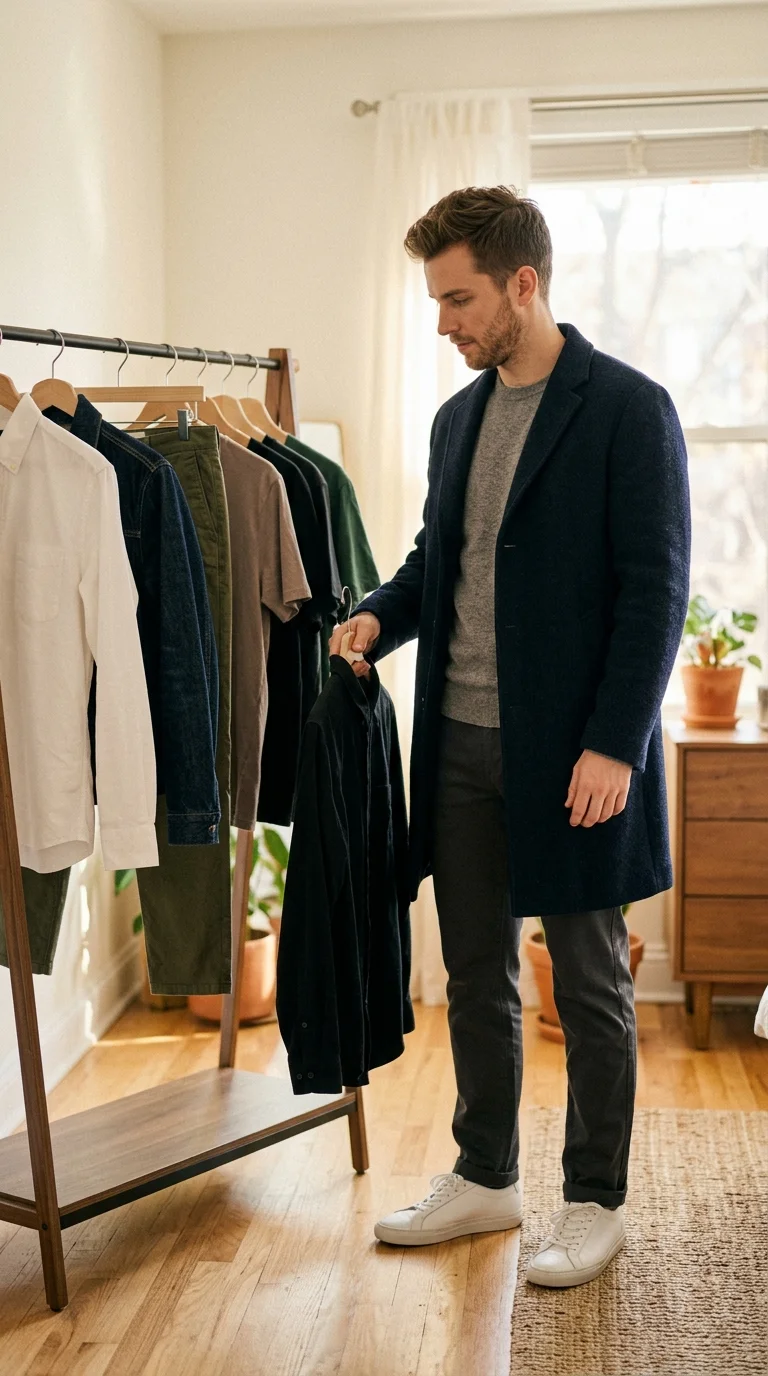
Many beginners misunderstand minimalist fashion by assuming they only need black clothing and plain outfits without personality or visual balance.
Although neutral colors help simplify styling, successful minimalist wardrobes still require proper fit, texture variation, and thoughtful outfit coordination consistently.
Another common mistake involves copying social media influencers whose expensive wardrobes rarely match realistic daily routines or personal budgets naturally.
Beginners also rush into replacing entire wardrobes immediately, which often leads toward unnecessary spending and disappointing fashion decisions later.
Minimalist men’s style for beginners should develop gradually through smarter clothing choices instead of dramatic overnight wardrobe transformations.
Some men purchase oversized clothing believing loose fits automatically create modern style, although poor proportions usually weaken overall outfit appearance noticeably.
Others focus too heavily on luxury brands while ignoring foundational details like fabric quality, fit, and outfit versatility across different situations.
The smartest approach involves slowing down, understanding your lifestyle needs, and building a wardrobe that feels practical, comfortable, and genuinely wearable daily.
13 Minimalist Men’s Style for Beginners
1. Start With Well-Fitted Basic T-Shirts

Basic T-shirts create the foundation of minimalist men’s style for beginners because they support countless outfit combinations throughout different seasons comfortably.
Many stylish outfits actually depend more on proper fit and clean proportions than expensive graphics or oversized logos covering the clothing surface.
A quality T-shirt should sit naturally around your shoulders while maintaining comfortable sleeve length and balanced overall body proportions consistently.
Neutral shades like white, black, charcoal, navy, and olive make styling easier because they pair smoothly with jeans, chinos, and jackets.
Beginners should focus on breathable cotton fabrics that remain comfortable during long working days and warmer weather conditions throughout the year.
Avoid extremely tight or oversized fits because both options often create awkward silhouettes that weaken otherwise simple and polished minimalist outfits.
A plain T-shirt combined with dark jeans and clean sneakers already creates an effortless outfit that feels modern, relaxed, and intentionally stylish daily.
When beginners master simple wardrobe basics first, building stronger personal style confidence becomes easier and far less overwhelming over time.
2. Invest in One Pair of Clean White Sneakers
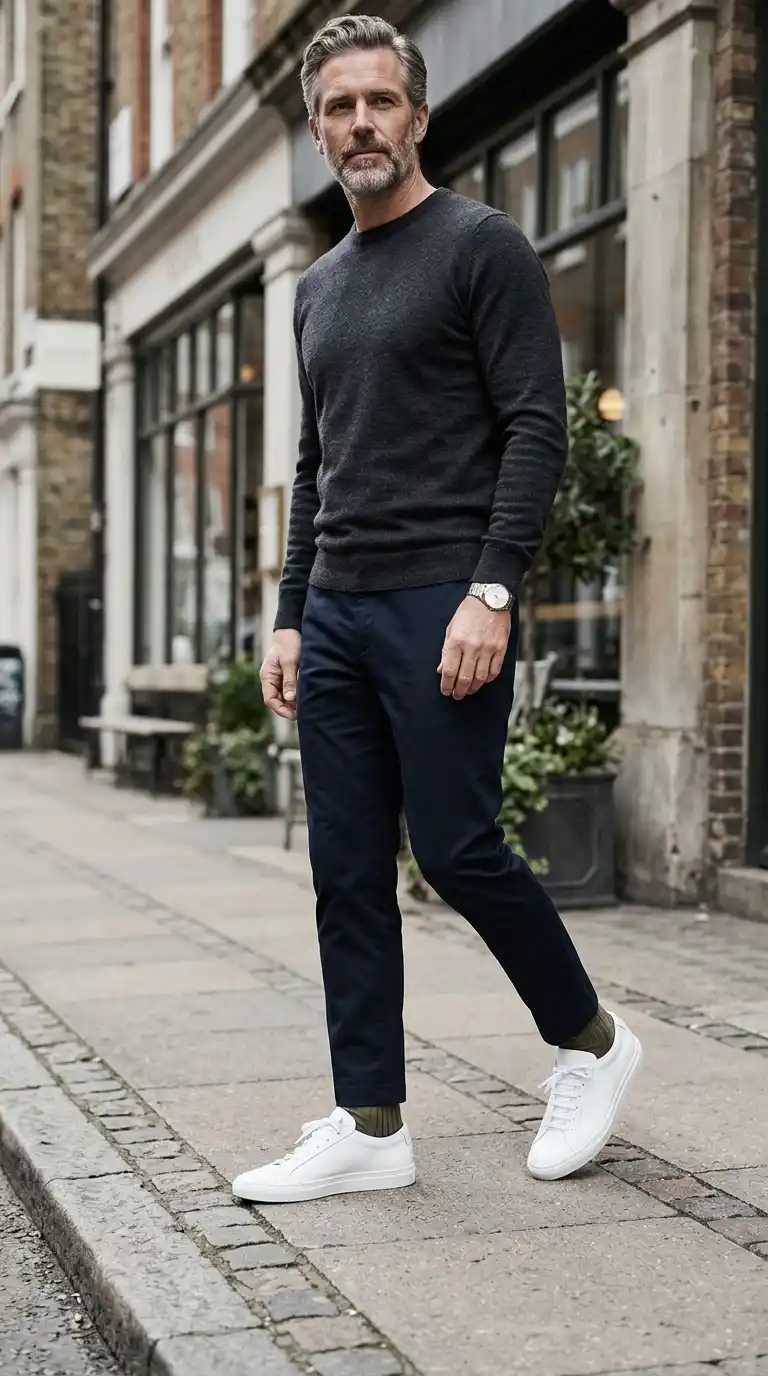
White sneakers remain one of the smartest investments within modern minimalist men’s fashion because they complement almost every casual outfit combination naturally.
Unlike trendy footwear styles that disappear quickly, clean white sneakers continue looking timeless across different seasons, age groups, and everyday social situations comfortably.
They pair easily with jeans, chinos, joggers, polo shirts, lightweight jackets, and even relaxed smart casual outfits without appearing overly formal.
Minimalist men’s style for beginners becomes easier because white sneakers remove uncertainty when choosing footwear for different daily activities consistently.
Beginners should select simple designs without excessive branding, colorful patterns, or chunky details that reduce long-term versatility and outfit coordination flexibility.
Maintaining clean sneakers also matters because dirty shoes quickly damage otherwise polished and carefully balanced minimalist outfits noticeably.
Regular cleaning habits help preserve their fresh appearance while extending overall lifespan and improving wardrobe value over longer periods naturally.
One reliable pair of white sneakers often becomes more useful than owning several trendy shoes rarely worn after initial excitement fades away.
| Base Color | Matches Best With |
|---|---|
| White | Navy • Olive • Black |
| Charcoal | Beige • White |
| Navy | Gray • White • Tan |
| Olive | Cream • Black • Beige |
3. Choose Neutral Colors That Mix Easily

Neutral colors simplify outfit coordination because they naturally blend together without creating overwhelming or visually confusing clothing combinations for beginners daily.
Minimalist wardrobes depend heavily on flexible shades like black, white, gray, beige, olive, and navy because these colors remain timeless consistently.
Instead of spending unnecessary time matching bright colors, beginners can focus more on fit, layering, and overall outfit balance comfortably.
A beige pair of chinos combined with a white shirt and navy overshirt already creates a clean and polished everyday appearance effortlessly.
Neutral colors also improve wardrobe versatility because most clothing pieces work together across multiple outfits without requiring constant shopping or replacement purchases.
Although minimalist fashion favors simplicity, adding one subtle accent color occasionally prevents outfits from feeling repetitive or emotionally disconnected later.
Earthy greens, muted browns, or soft blue tones often complement minimalist wardrobes without disrupting their calm and refined visual appearance naturally.
Learning color coordination early helps beginners build stronger styling confidence while avoiding many common wardrobe mistakes that create unnecessary frustration.
4. Build Around Versatile Jeans and Chinos
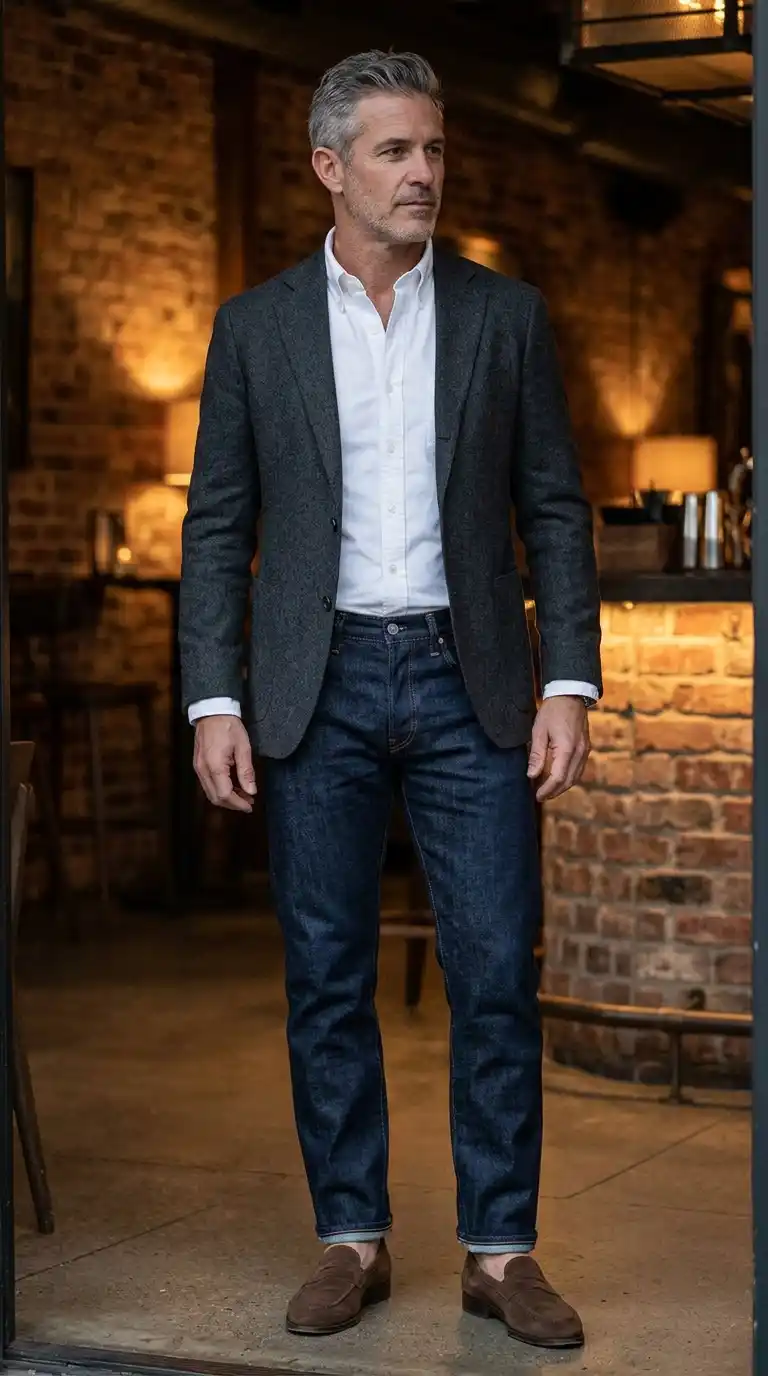
Dark jeans and tailored chinos form the backbone of many minimalist wardrobes because they adapt easily across different situations and outfit combinations.
These versatile trousers work well for casual outings, workplace settings, relaxed dinners, and everyday routines without requiring complicated styling adjustments regularly.
Beginners should prioritize slim straight fits because they usually flatter most body types better than extremely skinny or oversized alternatives consistently.
Dark blue denim provides a timeless foundation, while beige or olive chinos add flexibility and visual variety to minimalist outfit combinations naturally.
Minimalist men’s outfits become easier when trousers pair smoothly with plain T-shirts, polo shirts, lightweight sweaters, and clean sneakers effortlessly.
Avoid heavily distressed jeans or oversized pocket details because these features often reduce outfit versatility and shorten long-term wardrobe usefulness significantly.
Comfort also matters because restrictive clothing creates frustration and lowers confidence throughout busy daily schedules and social interactions regularly.
A few reliable pairs of well-fitted trousers usually provide more practical value than overcrowding wardrobes with unnecessary fashion experiments constantly.
5. Learn the Power of Layering Simple Pieces
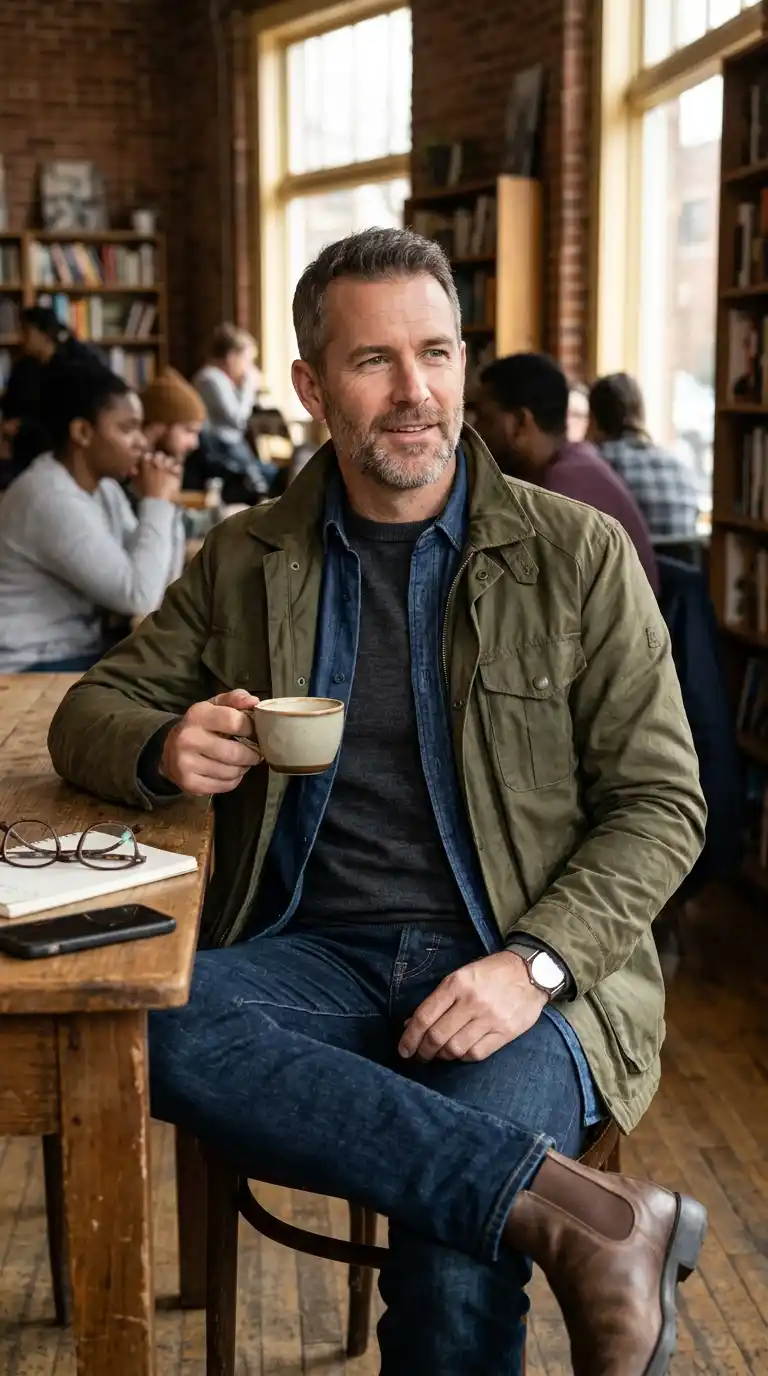
Layering transforms simple outfits into more intentional combinations while helping minimalist wardrobes feel stylish without relying on loud or flashy fashion trends.
Many beginners assume layering requires complicated styling skills, although basic combinations often create the strongest and most wearable everyday outfits naturally.
A plain white T-shirt under a lightweight overshirt instantly adds depth, texture, and visual structure without making outfits feel overwhelming or uncomfortable.
Denim jackets, knit sweaters, hoodies, and lightweight outerwear pieces all support beginner-friendly layering throughout different seasons effectively and comfortably.
Minimalist men’s style for beginners benefits greatly from layering because it increases outfit variety without requiring excessive clothing purchases unnecessarily.
Balanced proportions remain important because wearing too many oversized layers often creates bulky silhouettes that weaken clean minimalist aesthetics considerably.
Neutral layering pieces also improve versatility because they match smoothly across multiple outfits and daily lifestyle situations throughout the week consistently.
Once beginners understand layering fundamentals, simple clothing starts looking significantly more refined, stylish, and thoughtfully coordinated with minimal effort required.
6. Focus on Fabric Quality Instead of Quantity
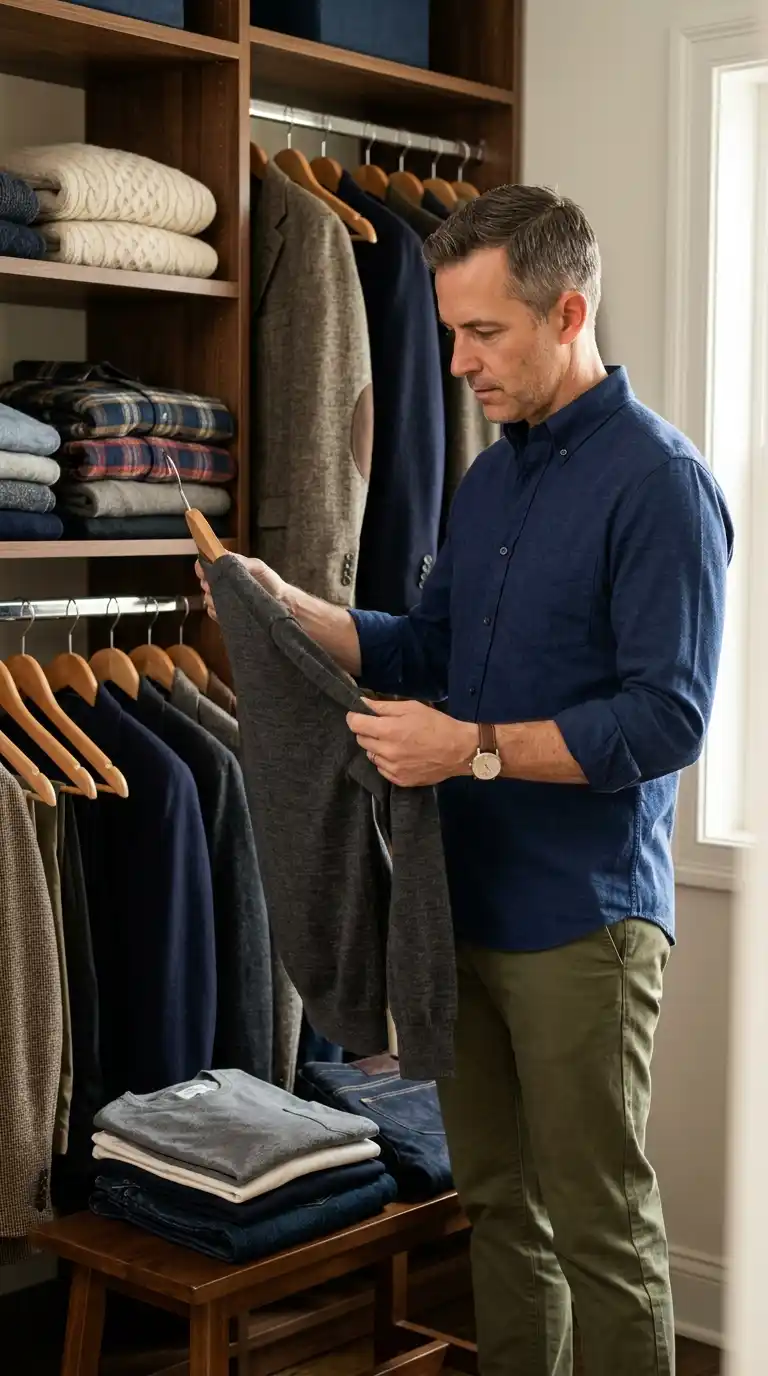
Many beginners purchase large amounts of cheap clothing without realizing poor fabric quality quickly damages the overall appearance of minimalist outfits.
Minimalist men’s style for beginners works better when every clothing piece feels comfortable, durable, and visually clean after repeated everyday use consistently.
Quality fabrics usually maintain their shape longer while providing better comfort throughout long working hours and changing weather conditions naturally.
Cotton remains one of the safest choices because it feels breathable, versatile, and easy to wear across different seasons and outfit combinations.
Linen works especially well during warmer months because it feels lightweight while adding subtle texture to minimalist wardrobes effortlessly.
Beginners should also check stitching quality, fabric thickness, and overall construction before purchasing clothing instead of focusing only on brand names.
Owning fewer high-quality items usually creates a stronger wardrobe than buying many cheap pieces that lose shape quickly after several washes.
Smart clothing investments save money gradually while helping men build timeless wardrobes that remain useful for many years comfortably.
✓ Cotton
✓ Linen
✓ Wool Blend
• Thin polyester
• Poor stitching
• Cheap shiny fabrics
7. Keep Accessories Minimal and Functional
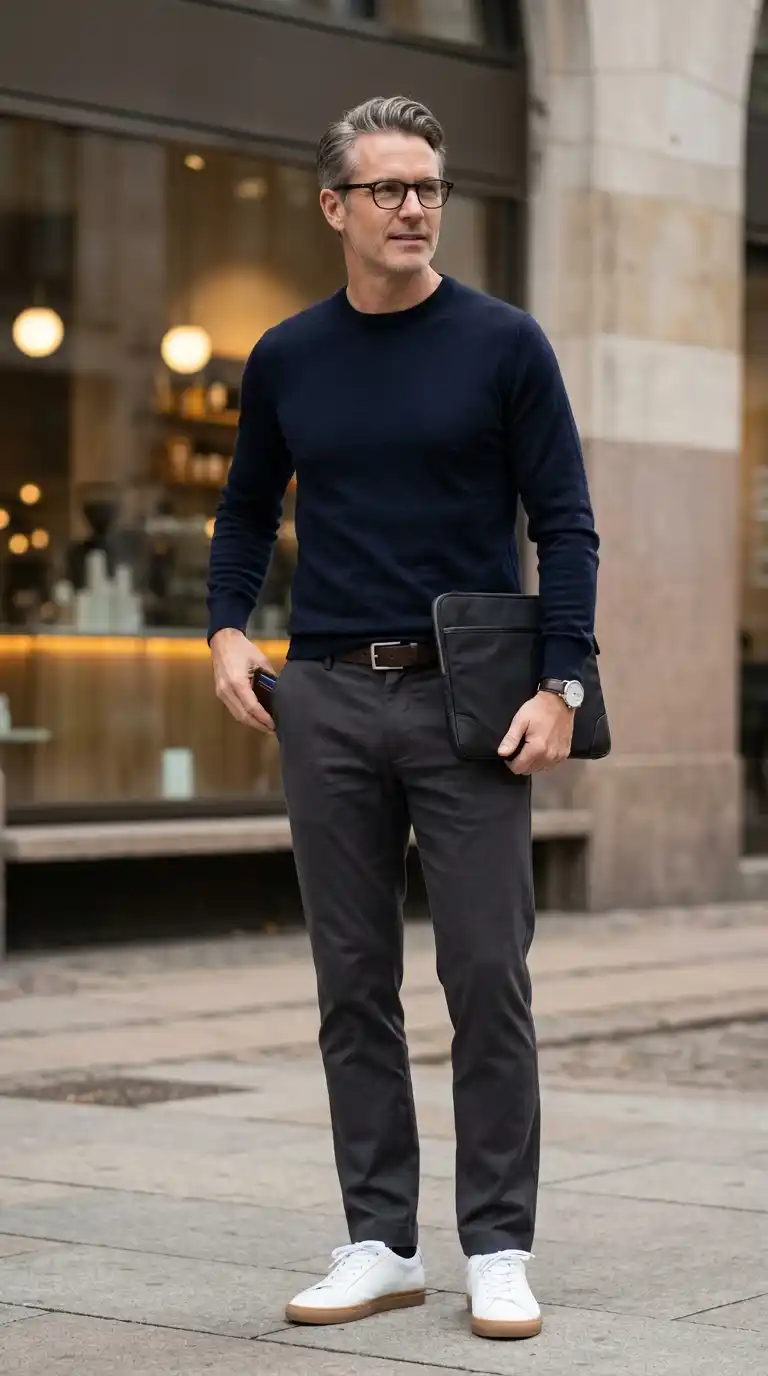
Accessories should support minimalist outfits subtly instead of becoming distracting elements that overpower the clean and balanced overall appearance unnecessarily.
Many beginners make styling harder by wearing flashy accessories that clash with simple clothing combinations and weaken outfit coordination noticeably.
A simple watch, clean leather belt, practical backpack, or understated sunglasses already provides enough detail for most minimalist outfit situations comfortably.
Minimalist men’s fashion values function and simplicity, which means accessories should feel useful while complementing your personal style naturally every day.
Neutral accessory colors usually work best because they blend smoothly with different outfits without requiring constant matching decisions regularly.
Avoid oversized logos, excessive jewelry, or trendy accessories that quickly lose relevance after short fashion cycles disappear from popularity online.
Beginners should focus on versatility because one reliable accessory often supports multiple outfits better than several attention-seeking fashion pieces unnecessarily.
When accessories remain clean, practical, and intentional, minimalist outfits instantly feel more polished, mature, and confidently styled without extra effort required.
8. Upgrade Your Grooming Alongside Your Wardrobe
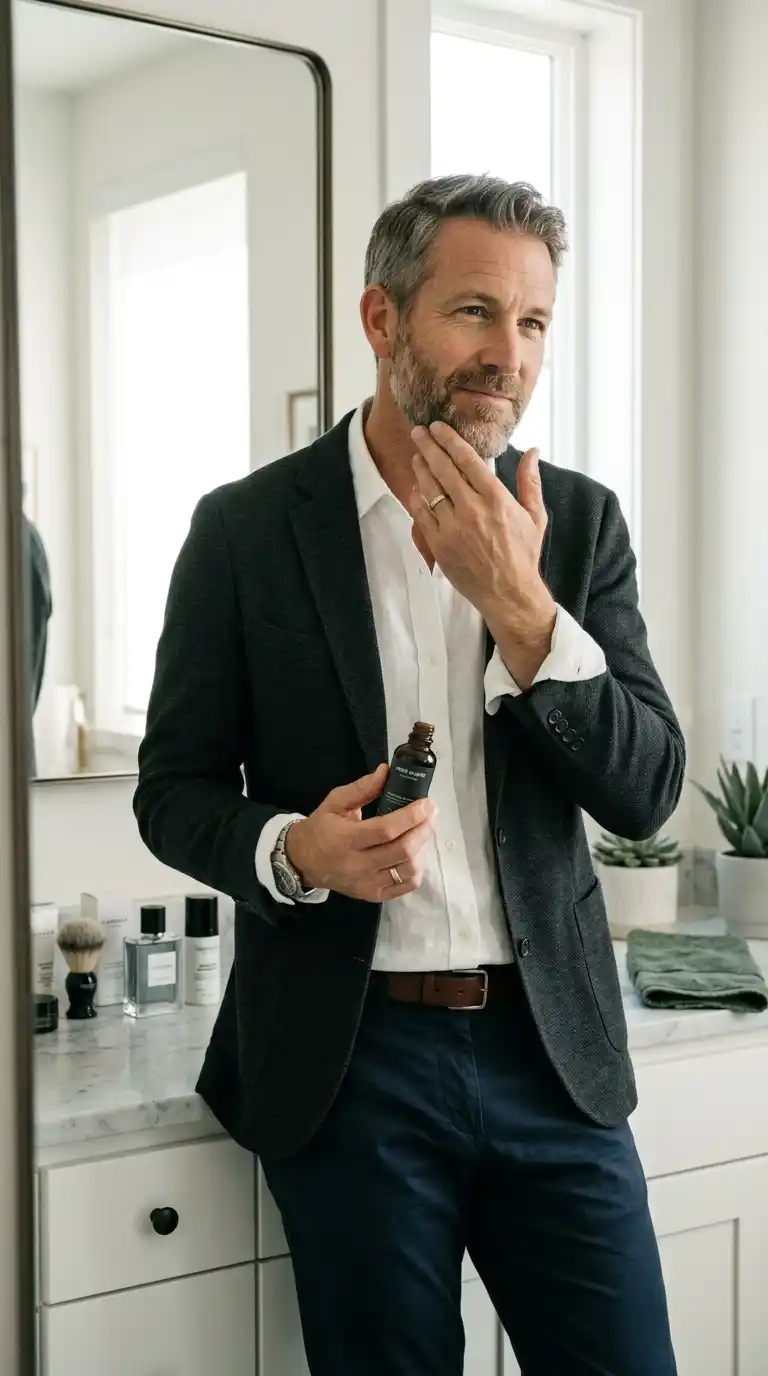
Good grooming plays a major role in personal style because clean and well-maintained appearances strengthen even the simplest minimalist outfits immediately.
Many men focus heavily on clothing while ignoring grooming habits that strongly influence confidence, first impressions, and overall style consistency daily.
A neat haircut, healthy skincare routine, trimmed facial hair, and clean shoes already improve appearance more than expensive fashion trends often do.
Minimalist men’s style for beginners works best when clothing and grooming habits support each other naturally without creating visual imbalance or neglect.
Beginners should build simple grooming routines that remain affordable, practical, and manageable within busy schedules and everyday responsibilities comfortably.
Hydrated skin, fresh breath, and clean nails may seem small details, although they noticeably improve overall presentation and social confidence consistently.
Minimalist style also encourages self-respect because taking care of your appearance reflects discipline, responsibility, and thoughtful personal habits over time naturally.
When grooming improves alongside wardrobe choices, men often feel more confident, organized, and comfortable within social and professional situations regularly.
9. Create Reliable Everyday Outfit Combinations
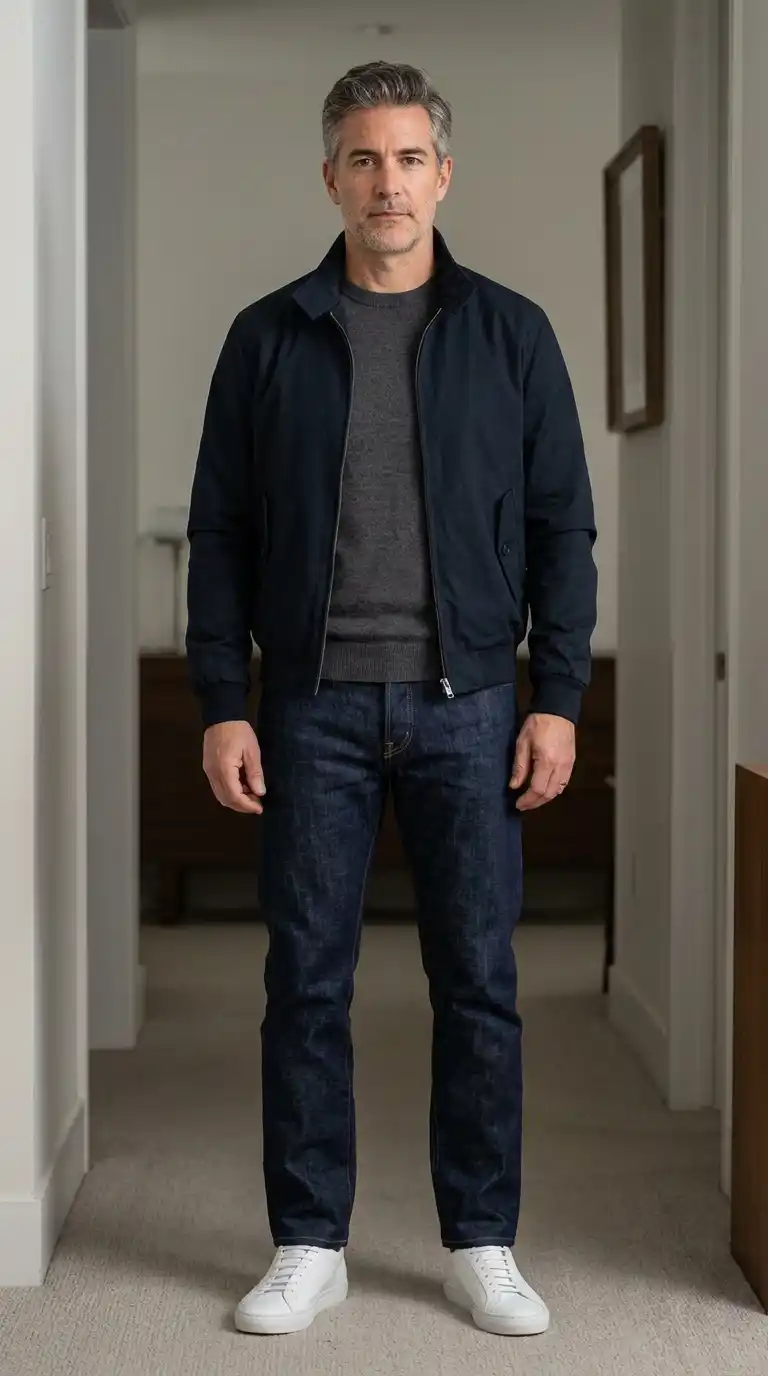
Reliable outfit combinations save time because beginners stop overthinking clothing choices every morning before work, university, or daily responsibilities begin.
Minimalist wardrobes become easier to manage when several dependable outfit formulas already exist for different situations and weather conditions consistently.
A white T-shirt with dark jeans and clean sneakers creates a timeless combination that works across casual environments comfortably and effortlessly.
Neutral sweaters paired with chinos also provide polished everyday outfits that feel relaxed while maintaining clean and intentional minimalist aesthetics naturally.
Minimalist men’s style for beginners improves faster when men repeat successful outfit structures instead of constantly experimenting with random fashion trends unnecessarily.
Taking photos of favorite outfits helps beginners remember combinations that feel comfortable, flattering, and practical during regular daily routines consistently.
This habit also prevents unnecessary shopping because men recognize how many outfits already exist within their current wardrobes naturally over time.
Strong personal style often develops through consistency and repetition rather than chasing completely different looks every single week unnecessarily.
✅ Navy Polo + Beige Chinos + Brown Belt
✅ Gray Sweater + Black Jeans + Minimal Sneakers
10. Avoid Fast Fashion Impulse Shopping
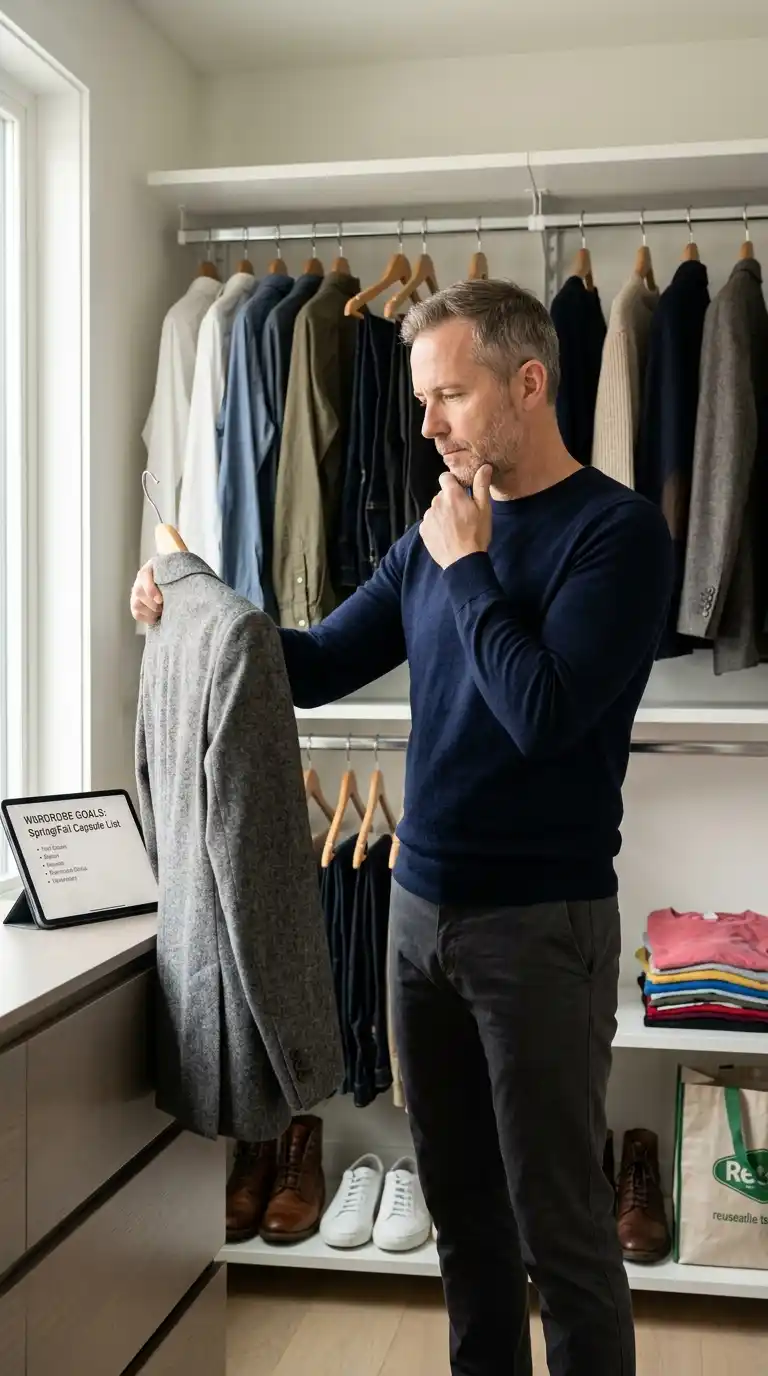
Impulse shopping creates cluttered wardrobes because many purchases happen emotionally instead of supporting practical long-term wardrobe goals thoughtfully and intentionally.
Fast fashion often encourages men to chase temporary trends that quickly disappear while leaving closets filled with rarely worn clothing unnecessarily.
Minimalist men’s style for beginners promotes smarter shopping habits focused on versatility, durability, and realistic everyday lifestyle needs consistently.
Before buying new clothing, beginners should ask whether the item matches existing outfits and supports regular daily activities comfortably and naturally.
Waiting several days before purchasing trendy pieces also helps reduce emotional decisions that usually lead toward regret and unnecessary spending later.
Many stylish men actually own fewer clothes because every piece serves a clear purpose within their wardrobe combinations consistently and effectively.
Mindful shopping improves financial habits while reducing closet clutter that often creates confusion during everyday outfit planning routines regularly.
When men purchase clothing carefully instead of impulsively, minimalist wardrobes feel more intentional, functional, and personally satisfying over longer periods naturally.
11. Understand the Importance of Proper Fit
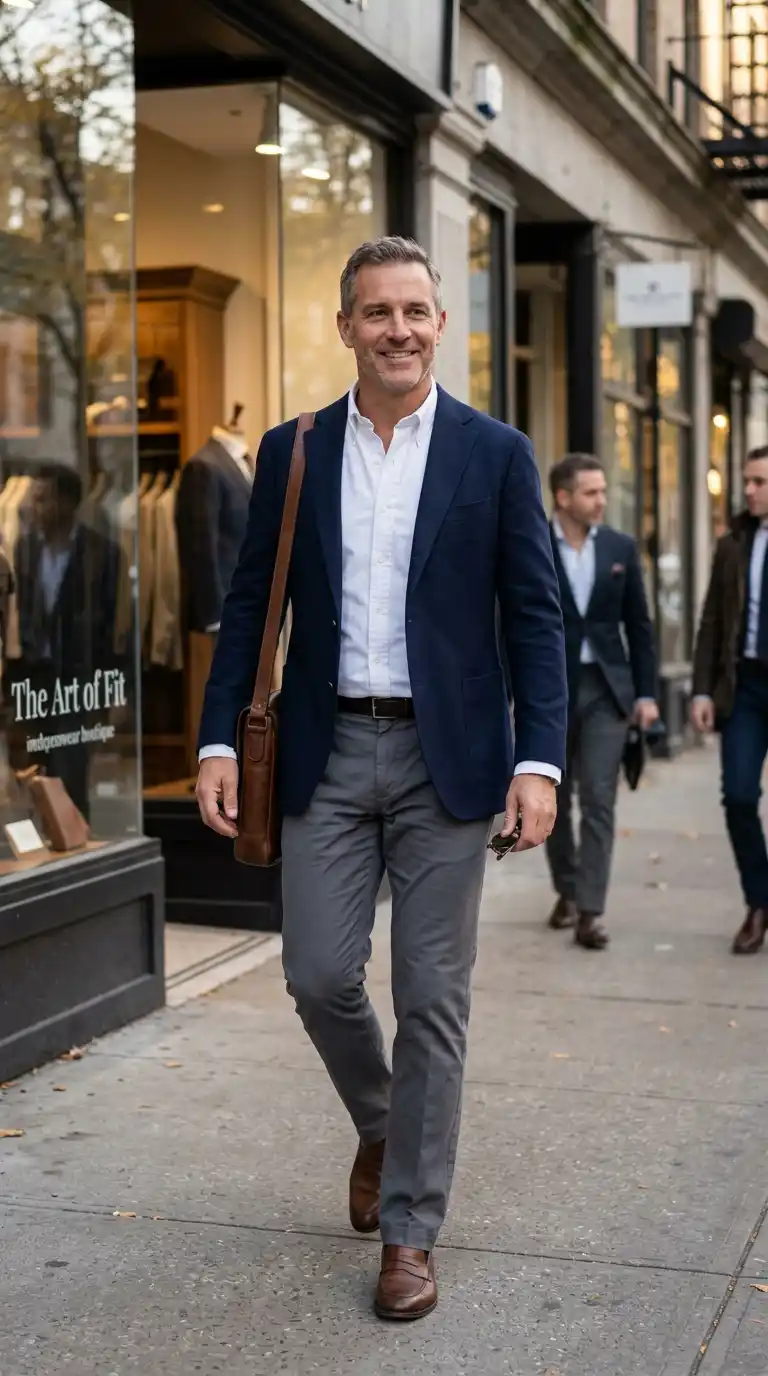
Proper fit transforms simple clothing into polished outfits because proportions strongly influence how people perceive personal style and overall confidence immediately.
Even affordable clothing often looks expensive when shirts, trousers, and jackets fit naturally around the body without appearing restrictive or oversized unnecessarily.
Minimalist men’s outfits rely heavily on clean silhouettes, which means poor fit quickly damages otherwise balanced and thoughtfully coordinated clothing combinations noticeably.
Beginners should pay attention to shoulder alignment, sleeve length, trouser break, and overall clothing proportions before purchasing new wardrobe pieces regularly.
Slim straight fits usually work well for most body types because they create balanced shapes without feeling uncomfortable during daily activities consistently.
Tailoring also remains a smart investment because small adjustments often improve clothing appearance more effectively than purchasing expensive designer alternatives unnecessarily.
Trying different fits patiently helps beginners understand which clothing shapes support their body structure and personal comfort preferences naturally over time.
When clothes fit properly, men move more confidently while creating stronger first impressions within both social and professional environments consistently.
☐ Sleeves end around mid-bicep (T-shirts).
☐ Pants lightly touch your shoes without bunching.
☐ Shirts skim your body without pulling or ballooning.
☐ You can move comfortably without feeling restricted.
12. Dress According to Your Daily Lifestyle
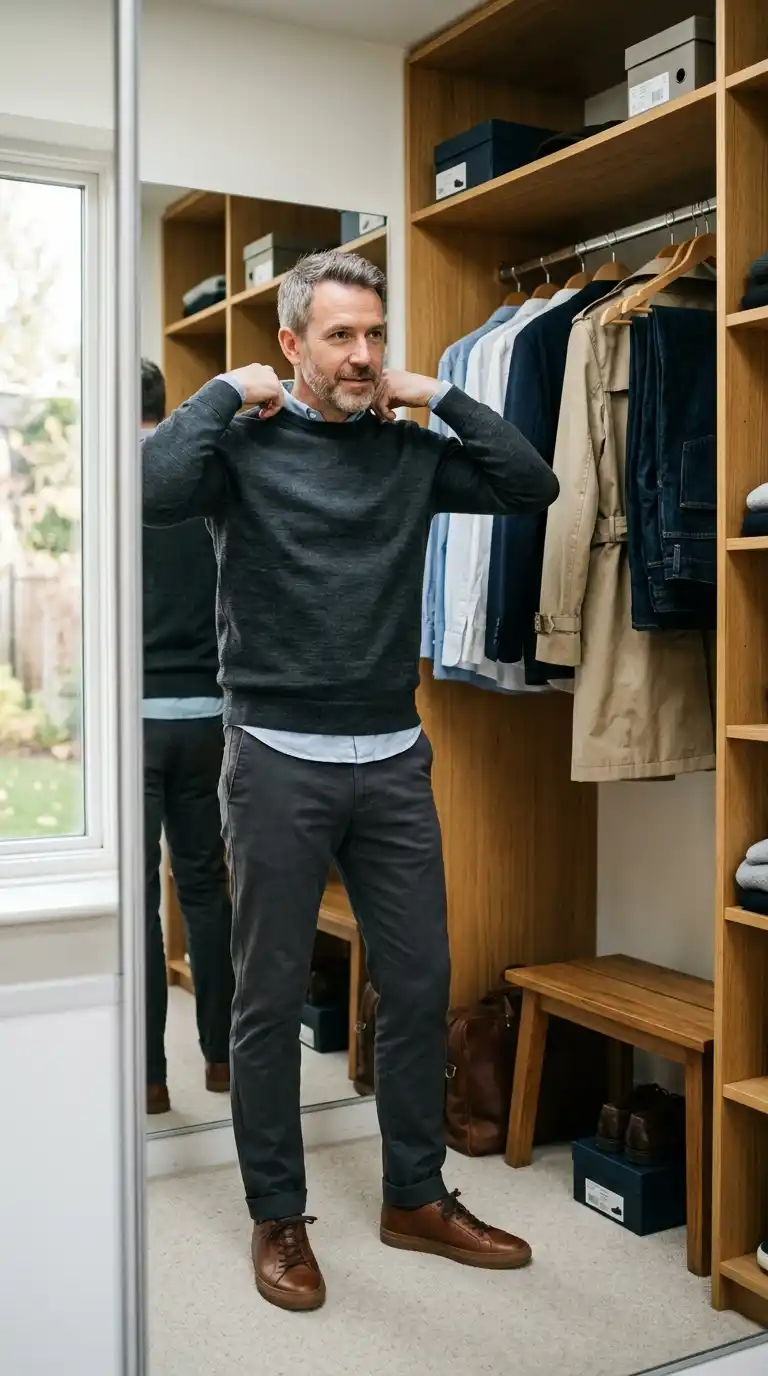
Successful minimalist wardrobes support real daily routines instead of copying unrealistic celebrity outfits that rarely fit ordinary responsibilities or personal schedules naturally.
A university student, office worker, freelancer, or active professional may all require slightly different wardrobe priorities for practical everyday comfort consistently.
Minimalist men’s style for beginners works best when clothing choices match actual lifestyle needs instead of chasing online trends blindly and unnecessarily.
Men working inside professional environments may prioritize chinos, lightweight jackets, and smart casual shoes for versatile workplace outfit combinations comfortably.
Meanwhile, men with active daily routines may prefer breathable fabrics, comfortable sneakers, and relaxed layering pieces supporting movement throughout busy schedules regularly.
Climate also matters because wardrobes should remain practical during hot summers, cooler evenings, and changing seasonal weather conditions naturally and comfortably.
Building a realistic wardrobe creates greater satisfaction because clothing finally feels useful instead of sitting untouched inside overcrowded closets for months unnecessarily.
When style supports your lifestyle honestly, dressing well becomes easier, more comfortable, and significantly less stressful every single day consistently.
13. Build Confidence Through Consistency, Not Perfection
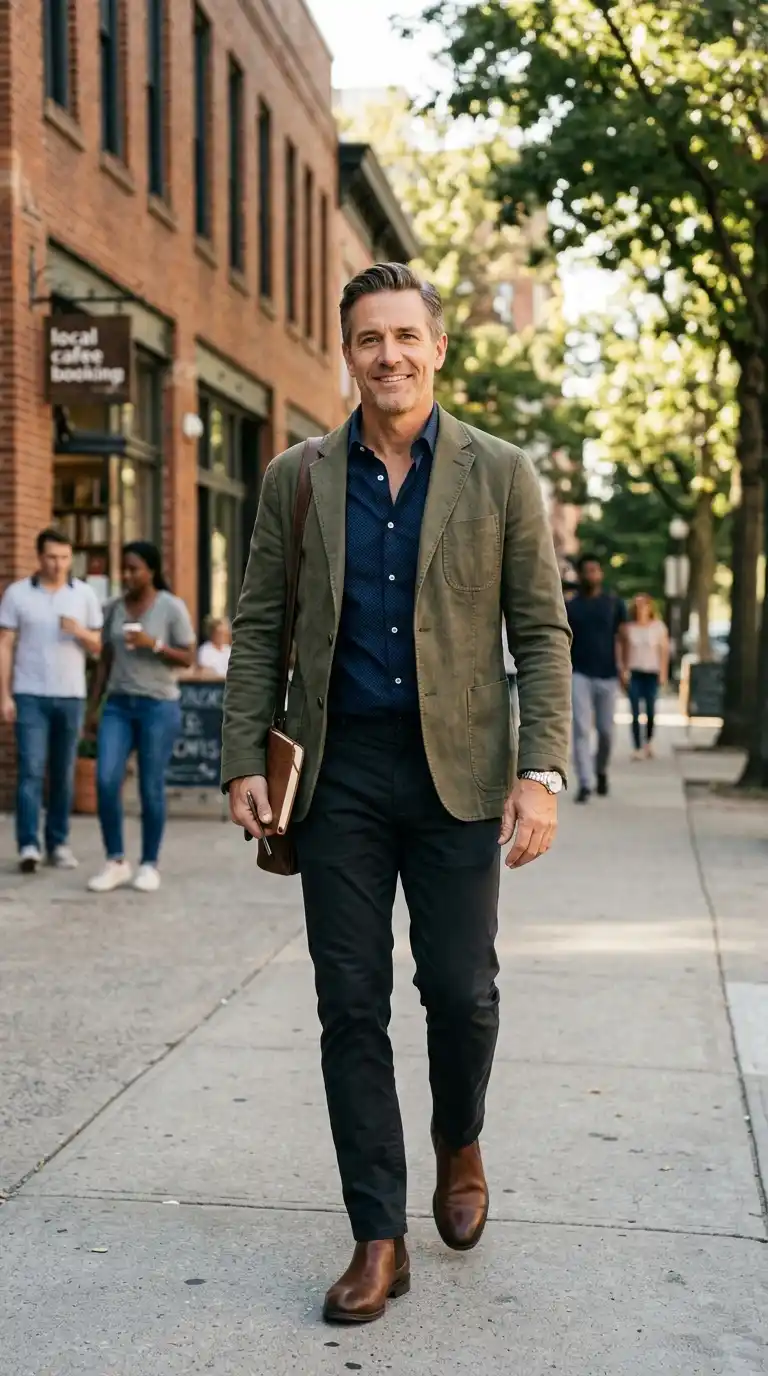
Many beginners delay improving their style because they believe fashionable men naturally understand everything about clothing and personal appearance immediately from the beginning.
In reality, strong personal style develops gradually through consistent habits, simple improvements, and regular outfit experimentation over longer periods naturally.
Minimalist men’s style for beginners feels approachable because it removes pressure while encouraging practical progress instead of unrealistic fashion perfection constantly.
Confidence often matters more than expensive clothing because comfortable and intentional outfits usually create stronger impressions than trend-focused combinations unnecessarily.
Beginners should allow themselves time to learn proper fit, color coordination, layering, and wardrobe organization without comparing progress constantly to others online.
Small improvements like cleaner shoes, better grooming, and properly fitted clothing already create noticeable differences within everyday appearance and confidence levels consistently.
Minimalist fashion also teaches patience because building a timeless wardrobe requires thoughtful decisions instead of impulsive shopping habits and temporary excitement regularly.
When men focus on consistency instead of perfection, personal style becomes more natural, comfortable, and genuinely connected to their everyday lives naturally.
Final Wrap-Up
Minimalist men’s style for beginners proves that dressing well does not require expensive wardrobes, complicated fashion rules, or constant trend chasing online.
Simple clothing choices, proper fit, neutral colors, and consistent grooming habits already create a cleaner and more confident everyday appearance naturally.
Instead of buying everything immediately, beginners should focus on gradual improvements that support comfort, versatility, and realistic lifestyle needs consistently.
A strong minimalist wardrobe grows slowly through thoughtful decisions, reliable outfit combinations, and practical clothing that remains useful throughout different seasons.
The best part about minimalist fashion involves feeling comfortable and confident without spending unnecessary time stressing over daily outfit decisions constantly.
Every man can improve his personal style by starting small, simplifying wardrobe choices, and building better habits through regular consistency patiently over time.
Fashion should support your lifestyle instead of creating pressure, confusion, or unrealistic expectations that feel impossible to maintain comfortably every day.

