13 Men’s Winter Travel Outfits for Cold Trips


Winter trips offer unforgettable experiences, from snowy mountain escapes to charming ski resort vacations filled with beautiful scenery and outdoor adventures.
However, packing for cold destinations often becomes challenging because travelers must balance warmth, comfort, practicality, and personal style throughout their journey.
The good news is that modern winter travel outfits for men no longer require choosing between looking fashionable and staying protected from cold weather.
Today’s travelers can create versatile looks that work equally well for airports, ski lodges, sightseeing tours, mountain villages, and evening dinners.
Whether you are planning a ski holiday, a winter city break, or a mountain retreat, selecting the right clothing makes every activity more enjoyable.
This guide explores stylish outfit ideas, practical layering strategies, and useful winter fashion tips that help men travel confidently while staying comfortable throughout their winter adventures.
1. Brown Suede Bomber, Taupe Knit and Dark Denim

Scarf first, then jacket. That is the small ordering trick that makes this look right instead of lumpy.
The scarf is wrapped once at the neck and left long down the front, so it sits inside the open jacket and fills the gap where a collar would be.
The bomber is short and it stops at the hip, which is why the denim can be dark and wide without the outfit turning heavy.
Long coat with wide jeans reads dramatic; cropped jacket with wide jeans reads easy.
Three browns are in play here and none of them match exactly. The jacket is deep chocolate, the scarf is a shade softer, the sweater is warm taupe.
Close but not identical is what gives a one color outfit some depth.
💡 Quick Tip
Suede and rain do not get along. Check the forecast, and if it looks wet, wear a leather bomber in the same brown instead. Same shape, same silhouette, far less worry.
Worth noting for anyone new to suede outerwear: keep the jacket unzipped or zipped only halfway. Zipped to the chin, a bomber loses its shape and starts to look like a windbreaker.
2. Navy Overcoat Over a Cream Henley and Grey Jeans

Three neutral colors, zero effort to match, and it still reads sharp on a cold morning walk. Here’s what’s actually doing the work:
- The coat sits below the knee. Longer coats over jeans make your legs look longer instead of cutting you in half at the hip.
- Cream instead of white. The waffle henley is warm off white, which sits closer to the beanie and the suede than a bright white tee ever would.
- Light grey denim, not black. Grey keeps the whole thing soft. Black jeans here would have made the navy look heavy.
- Brown suede boots with a chunky sole. Brown against navy is the safest color pairing in menswear, and the thick sole handles wet pavement.
The one detail worth stealing: the henley is left unbuttoned at the top so the collar sits open under the coat. A crewneck sweater works too, but you lose that little bit of neck space that keeps the layers from looking bulky.
3. The Fur Trimmed Parka Built for Real Snow

Wool coats look great until the snow starts falling sideways. A hooded parka in tan or camel is the answer, and the color is the reason this one still looks styled instead of purely functional. Tan reads warm against a grey sky, where black or navy would disappear into it.
The neck is the part most guys get wrong. Under the parka here is a dark olive knit pulled right up to the jaw, which seals the gap the hood cannot cover and adds a second color to a simple outfit.
Layer it in this order so the parka still zips comfortably:
A thin thermal or merino base layer against the skin. Skip cotton, it holds sweat and turns cold.
A ribbed turtleneck or half zip knit in olive, charcoal or brown. This is the layer people actually see.
The parka, sized up just enough to close over the knit without pulling at the zipper.
Leather gloves in a brown that sits near the coat, so your hands look part of the outfit.
4. Black Overcoat and a Grey Knit for City Winter Days

What works here is the collar. A white shirt sits under the grey sweater and shows just a sliver at the neck, which is the difference between looking dressed and looking like you grabbed the nearest jumper.
Everything else is black on black, so that one pale line at the throat carries the whole look.
Notice the trousers too. They are cut wide and break long over the shoe, which balances a coat that falls past the knee. Slim trousers under a long coat tend to make the top half look oversized.
Not sure which trouser shape suits you? Quick comparison:
| Wide or straight trousers | Slim trousers |
|---|---|
| Balances a long, heavy overcoat | Works better under a short jacket |
| Room for thermals underneath | Gets tight once you layer |
| Reads relaxed and current | Reads sharper and more formal |
5. Chocolate Brown Coat With Cream Trousers

Most men stop wearing light trousers in November. That is exactly why this combination stands out.
Cream or off white trousers against a deep brown coat give you contrast without a single bright color, and the pale leg looks right at home against snow.
The coat is doing heavy lifting here. It is double breasted with a tied belt, which pulls the waist in and stops a long coat from hanging like a blanket.
Belt it loosely, never cinched hard, and let the ends hang rather than tucking them away.
Two things keep it from looking costume like: the shirt is soft grey instead of stark white, and the shoes are dark and polished, which anchors all that pale fabric at the bottom.
Dark on top, light on the bottom, and one belted waist to hold the shape. Contrast does the styling for you, so nothing else has to.
6. Waxed Jacket Over Corduroy Trousers

Texture is the whole point of this one. Waxed cotton has a dull sheen, corduroy has ridges, the sweater is soft wool, and the boots are matte suede.
Four different surfaces, all in brown and oatmeal, which is why the outfit stays interesting even though the color story is nearly flat.
A short waxed jacket also solves a problem long coats create. It ends at the hip, so pleated trousers get to show their full shape instead of hiding under wool.
Good pick for rainy commutes and dog walks, since wax shrugs off drizzle.
Small thing to copy: the shirt collar is left open over the sweater, not buttoned to the top. Keeps a fairly traditional outfit from tipping into stiff.
Recreate this look
7. Cream Half Zip Knit With Khaki Trousers for Travel Days
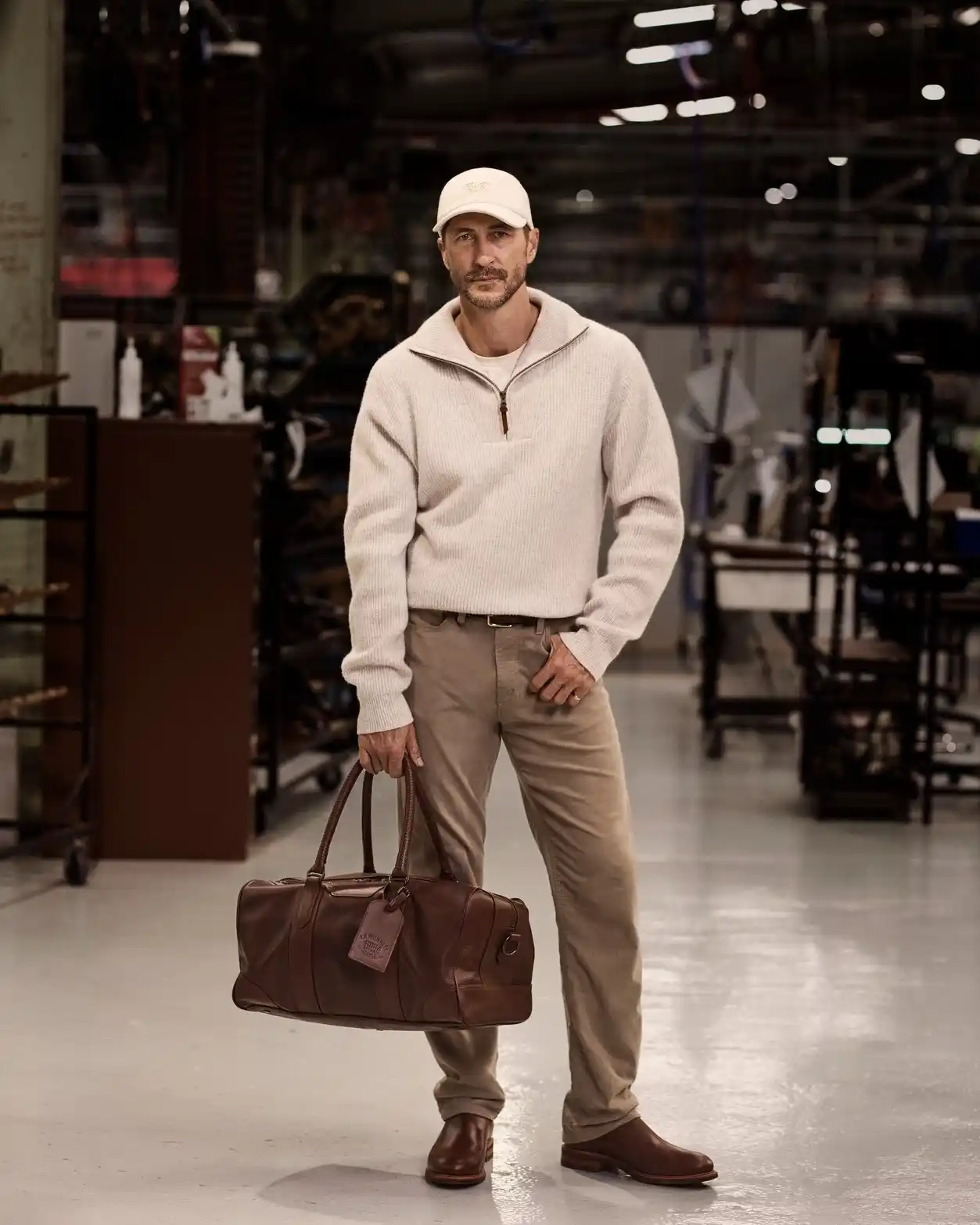
Not every winter outfit needs a coat. On travel days, when you go from a cold car park to an overheated terminal to a friend’s living room, a chunky half zip does more for you than a wool coat you have to carry.
What holds this one together:
The neck is adjustable. Zip it up when you step outside, pull it down indoors and the collar sits open like a shirt. One piece, two looks, no fiddling.
Everything sits in the same family. Cream knit, cream cap, khaki trousers, brown belt and boots. Because nothing fights for attention, the ribbed texture of the sweater becomes the interesting part.
The belt matches the boots. Small thing, easy to get right, and it quietly ties the top half to the bottom half.
The trousers have room. Straight leg cotton with a slight break, roomy enough to sit in for four hours without creasing across the lap.
Swap the cap for a beanie if the temperature drops and the whole thing still works.
Wear a plain tee under the knit so the open collar shows something clean.
Pick a heavy rib or wool blend. Thin knits look flat in a tonal outfit.
Keep the bag leather and brown. It reads as part of the outfit, not luggage.
Black trousers. They cut the tonal run and make the knit look washed out.
A big logo hoodie underneath. It bunches at the collar and ruins the line.
White trainers with a nylon backpack. Cheapens everything above the ankle.
8. The Classic Ski Resort Arrival Outfit
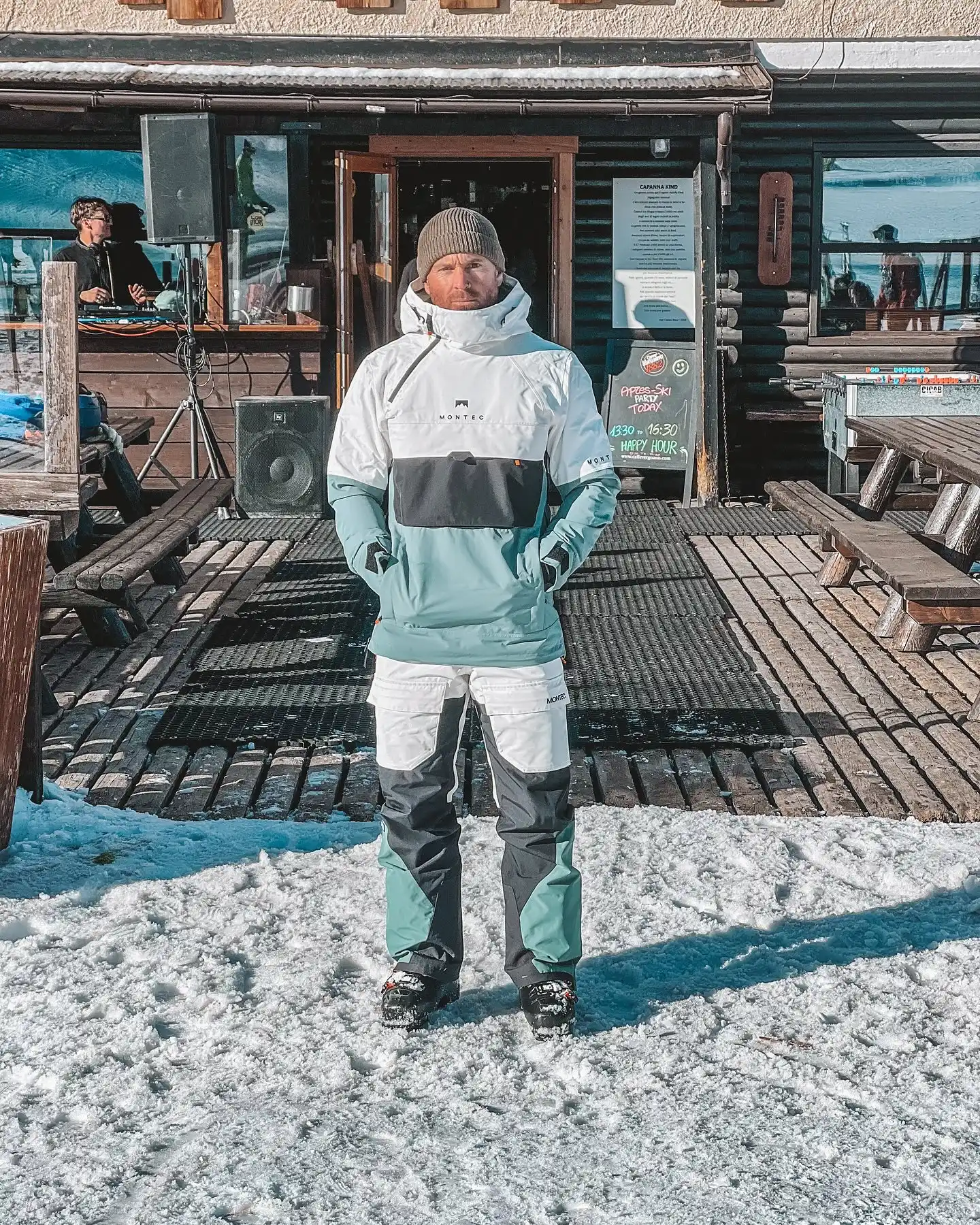
First impressions matter when arriving at a ski resort, and this outfit combines sophistication with practical cold-weather protection.
Start with a comfortable thermal base layer underneath a fine-knit quarter-zip sweater that provides warmth without creating unnecessary bulk.
Pair these layers with dark travel trousers or premium denim that offers flexibility during transfers and resort check-in procedures.
An insulated winter jacket serves as the perfect outer layer while maintaining a clean and polished appearance.
Complete the look with leather winter boots that handle snowy walkways while adding a refined touch to your outfit.
This combination works exceptionally well because it transitions smoothly from airport terminals to mountain resorts without requiring any outfit changes.
9. The Stylish Après-Ski Outfit
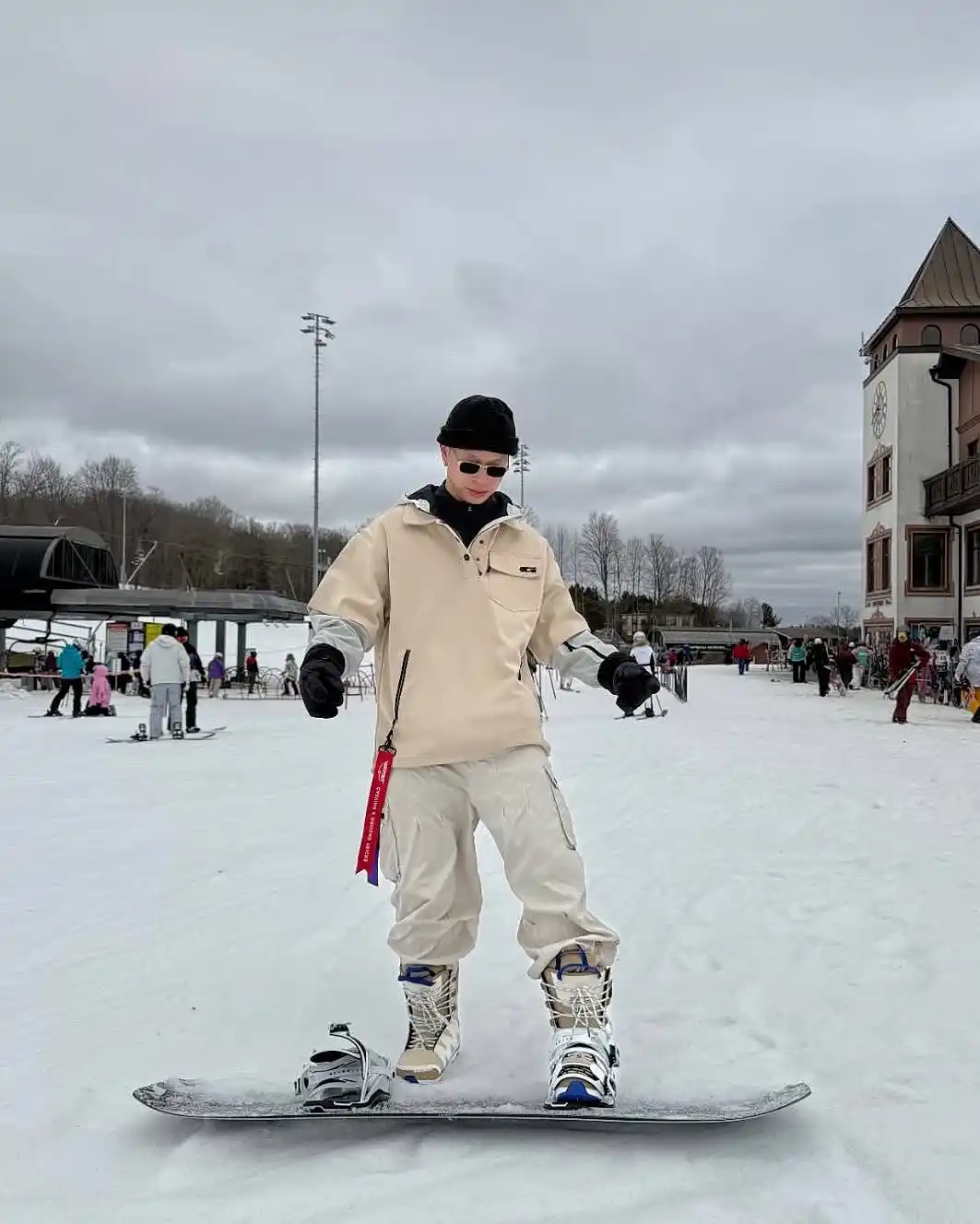
After spending time outdoors, many travelers enjoy relaxing in resort lounges, cafés, and gathering areas near the slopes.
The après-ski dress code focuses on comfort, warmth, and understated sophistication rather than formal clothing or flashy fashion choices.
A high-quality merino wool sweater creates a polished appearance while providing excellent insulation against chilly temperatures.
Pair the sweater with stretch chinos that offer a refined alternative to denim without reducing comfort.
A quilted vest adds extra warmth and visual interest while keeping the outfit lightweight and easy to wear.
Complete the look with leather boots and a wool scarf to create an effortless style that feels perfectly suited to mountain resort environments.
10. The Casual City Winter Travel Outfit
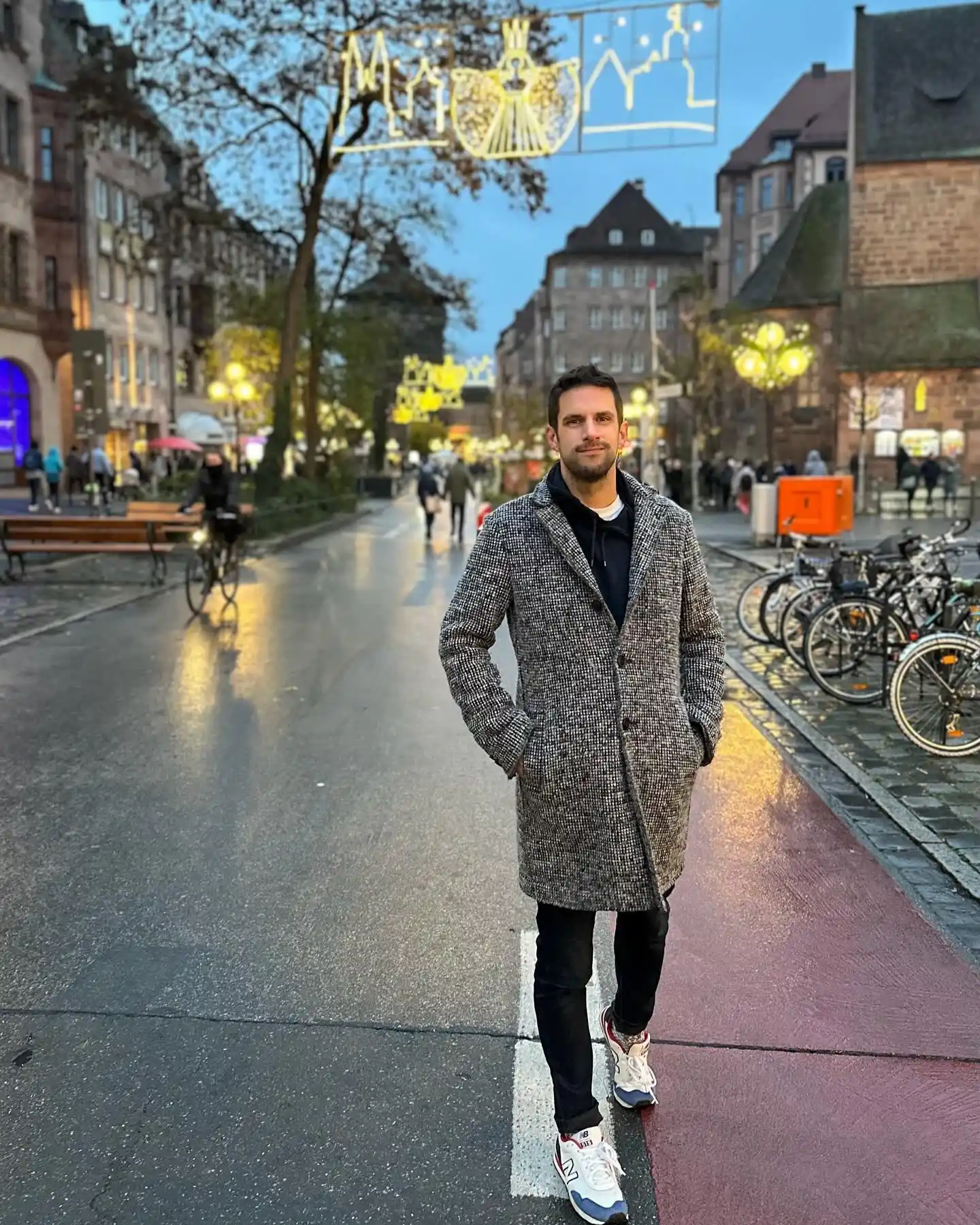
Many winter vacations include visits to nearby cities where travelers spend time shopping, sightseeing, and exploring local attractions.
For these occasions, a turtleneck sweater delivers warmth while creating a modern and sophisticated appearance.
A well-fitted wool overcoat instantly elevates the outfit and provides reliable protection during cold urban walks.
Dark denim remains a dependable choice because it combines comfort, durability, and versatility for various travel activities.
Chelsea boots complement the overall look while offering practicality for long periods of walking around city streets.
Adding leather gloves completes the outfit and provides a polished finishing touch that blends perfectly with winter travel fashion for men.
11. The Snow Activity Outfit
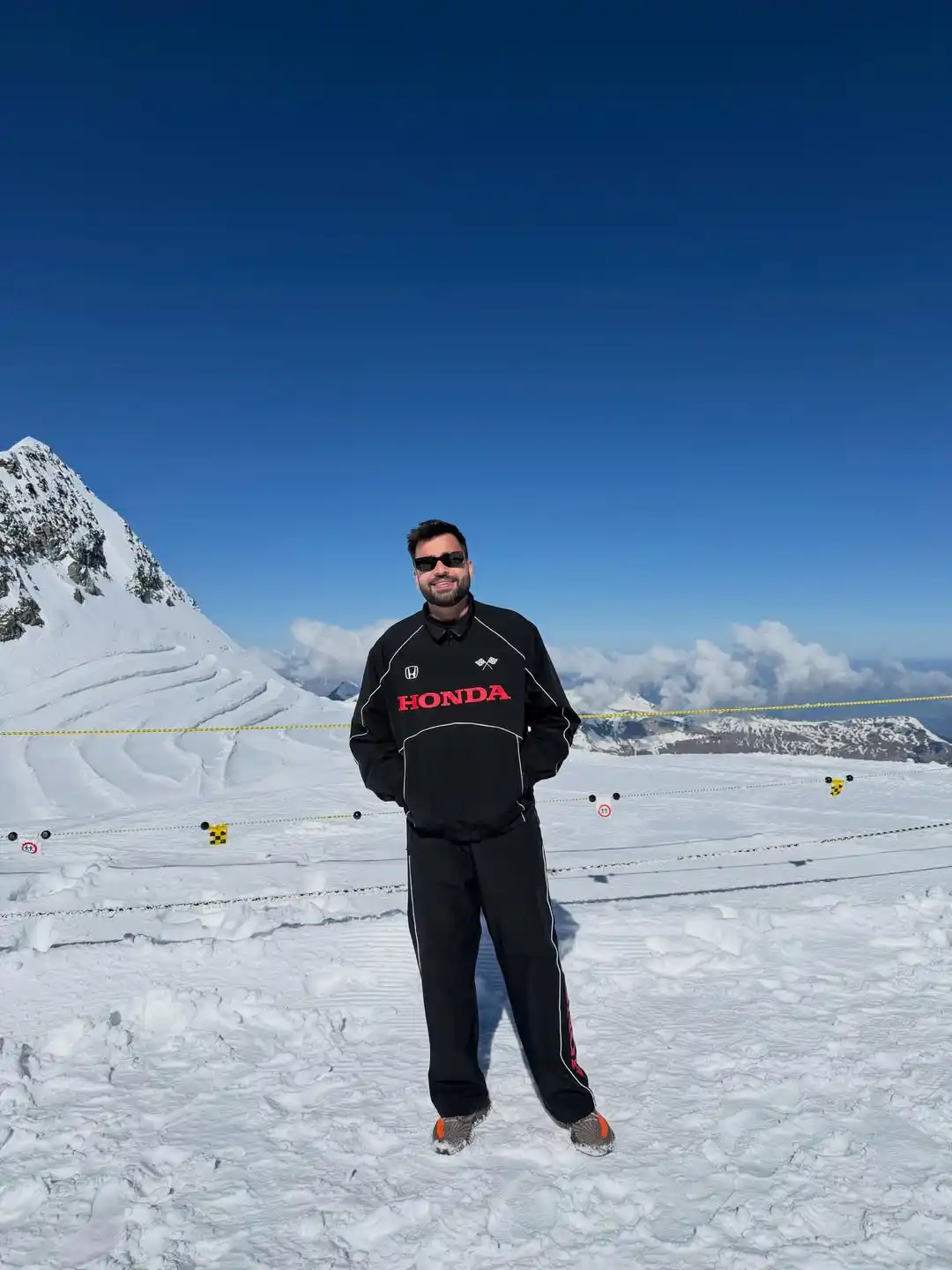
Outdoor snow activities require clothing that prioritizes warmth, protection, and unrestricted movement throughout the day.
A thermal base layer helps maintain comfort by regulating body temperature and reducing moisture buildup during physical activity.
Layer a performance ski jacket over insulating mid-layers to create reliable protection against cold winds and snowfall.
Insulated snow pants provide warmth while allowing freedom of movement during activities such as sledding and snowshoeing.
Waterproof boots play an essential role because dry feet contribute significantly to overall comfort in snowy environments.
Complete the outfit with gloves and a neck gaiter to shield exposed skin from cold air while maintaining flexibility and comfort outdoors.
12. The Luxury Ski Lodge Outfit
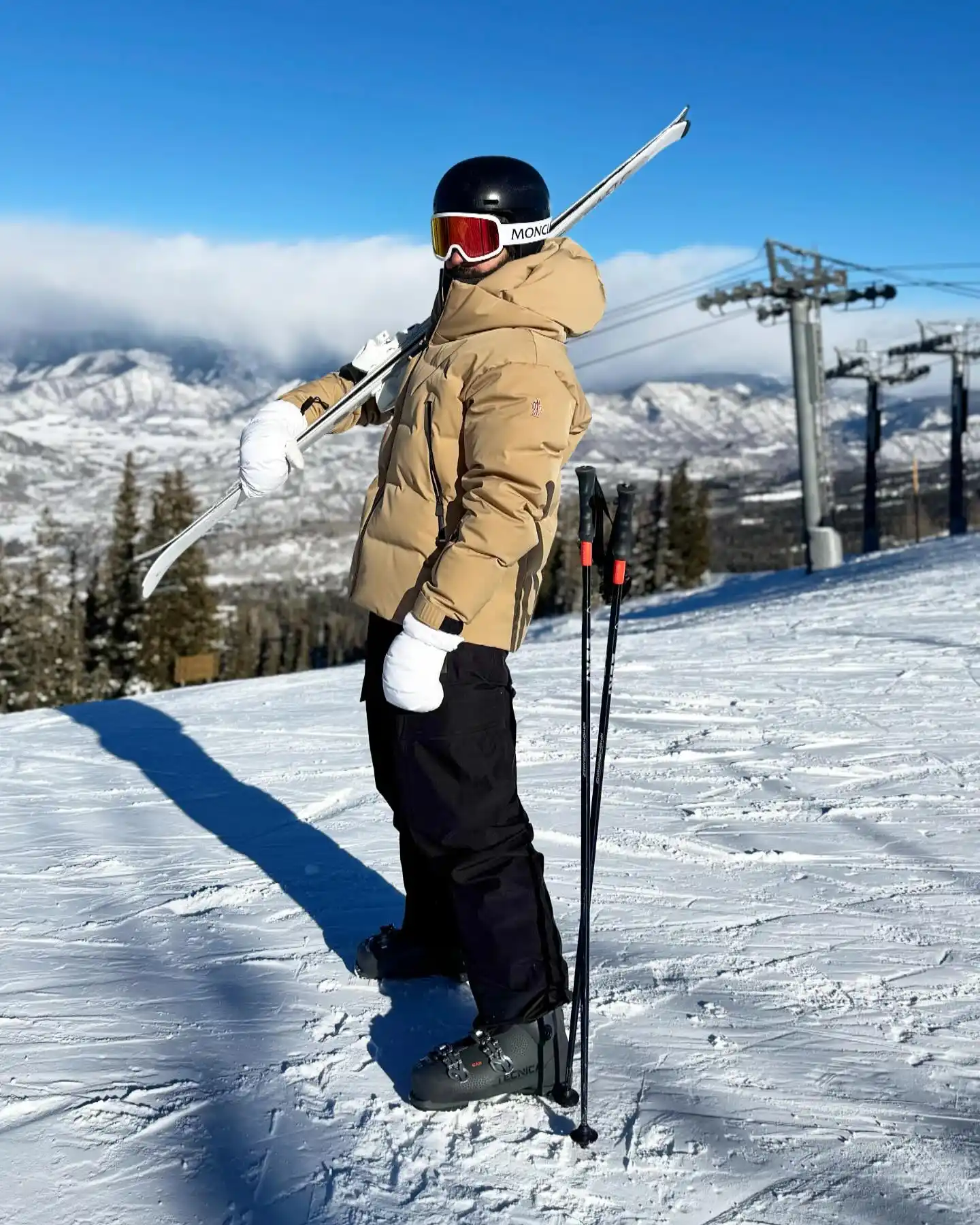
Some ski destinations feature elegant lodges, upscale restaurants, and refined gathering spaces that encourage a more sophisticated style.
For these settings, focus on quality fabrics and clean silhouettes rather than flashy details or overly complicated combinations.
A cashmere-blend sweater provides exceptional comfort while creating a polished appearance suitable for premium winter environments.
Pair it with well-fitted wool trousers that offer warmth and elevate the overall look without appearing formal.
A structured winter coat adds refinement while protecting against cold temperatures during evening walks around the resort.
Finish the outfit with premium leather boots and simple accessories that complement the clothing rather than competing for attention.
13. The Active Adventure Winter Travel Outfit
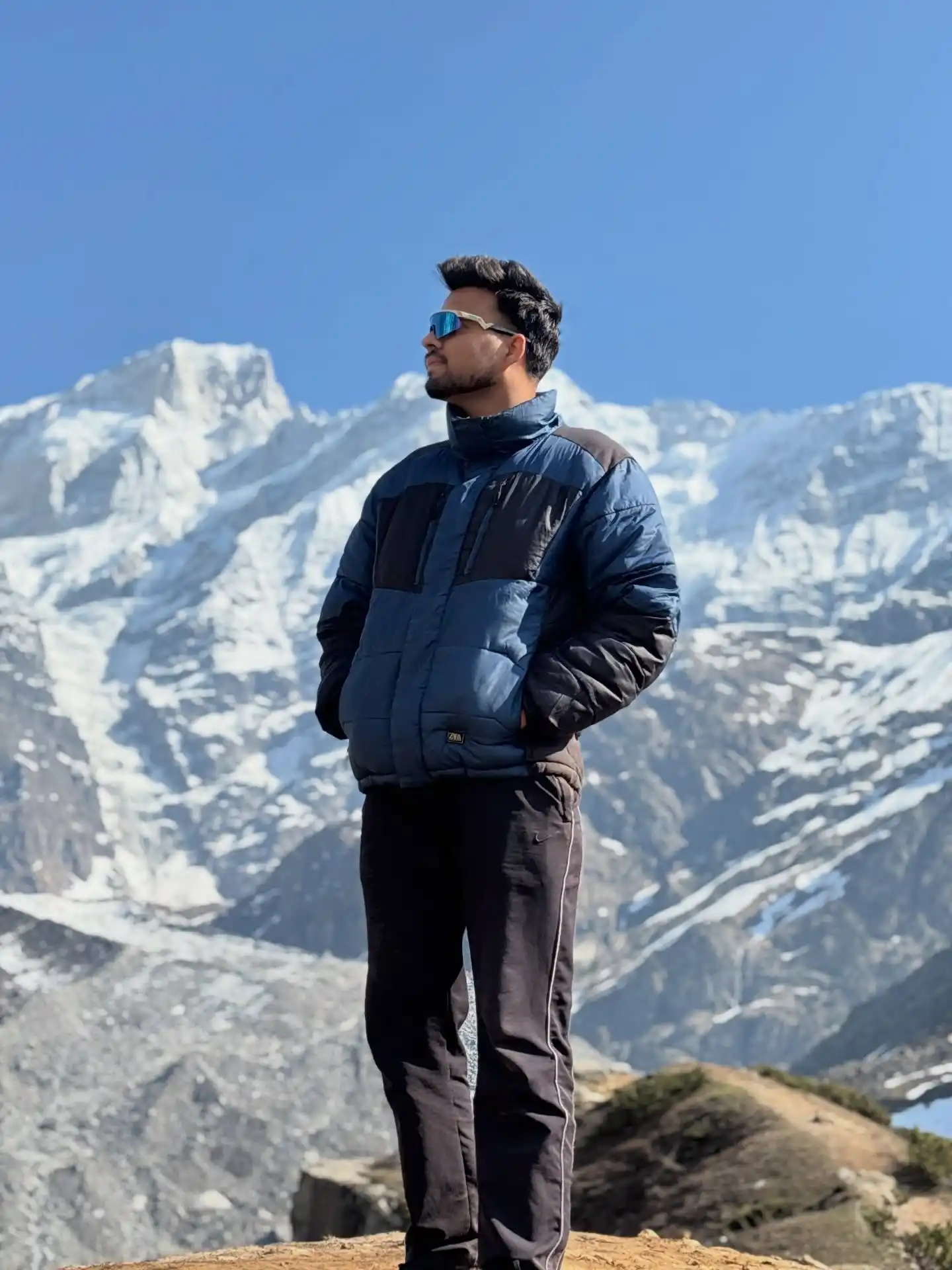
Not every winter vacation revolves around skiing, which makes versatile outdoor clothing extremely valuable for adventurous travelers.
Activities such as winter hiking, snowshoeing, wildlife viewing, and scenic exploration require clothing that supports movement and changing conditions.
Performance thermal layers create a strong foundation because they help regulate temperature during periods of increased physical activity.
A soft-shell jacket offers weather resistance while remaining more breathable than heavier insulated outerwear options.
Technical outdoor pants improve mobility and comfort while providing protection against wind and light precipitation.

