
The 7 Habits That Separate Resilient Older Men From Those Who Give Up


There is a surprising truth about growing older. Many people assume aging brings sadness, yet a distinct group of older adults reports higher life satisfaction and less stress than people decades younger. Resilient older men know how to thrive even when facing physical changes or big life shifts.
When you leave a long career behind, you might feel lost. Without a daily job to anchor your identity, it is easy to slip into isolation. You might become distant, irritable, or feel like your purpose is gone.
Giving up is not inevitable. Building strength as you age is a skill you can practice every day. You can build mental strength and reclaim your drive. Here are seven simple habits that separate men who thrive from those who give up. Mastering these habits builds true psychological resilience in aging.
1. They Actively Engineer Social Connection
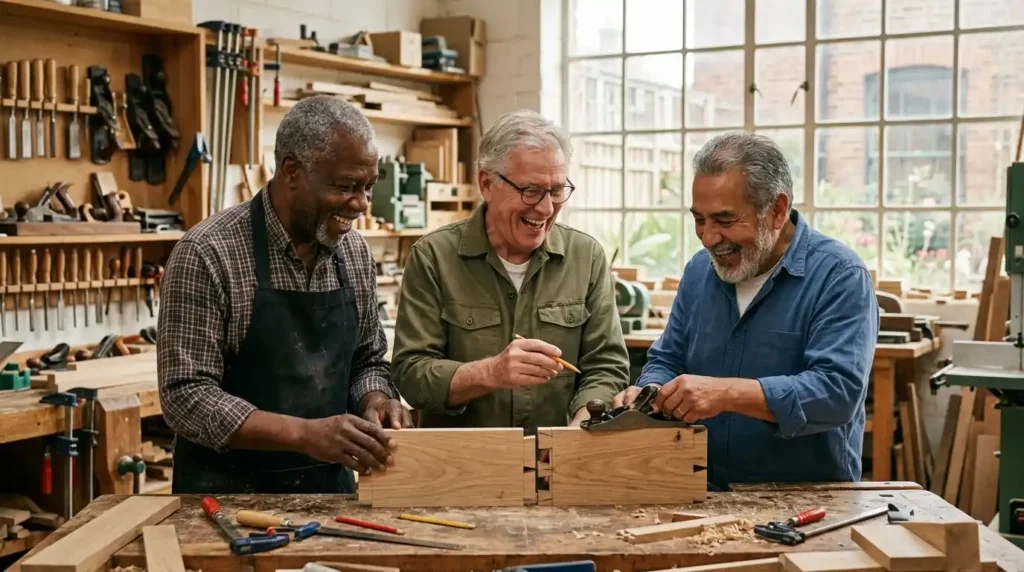
Men usually build friendships by working together or playing sports side by side. When you retire, those regular contact points disappear. Men who give up pull back and stay home alone. Men who thrive schedule social time as if it were a doctor appointment.
Staying isolated hurts your health and brings down your mood. Joining community groups or local volunteer projects gives you a reason to get out of the house. Groups like community workshops or hobby clubs offer a great way to work on projects with other guys.
Social contact keeps your brain active and protects your mood. You need people who expect to see you every week. Improving mental health in older men starts with refusing to stay isolated at home.
Action Step: Pick one group activity this week and put it on your calendar.
2. They Build Physiological Reserve Through Daily Movement
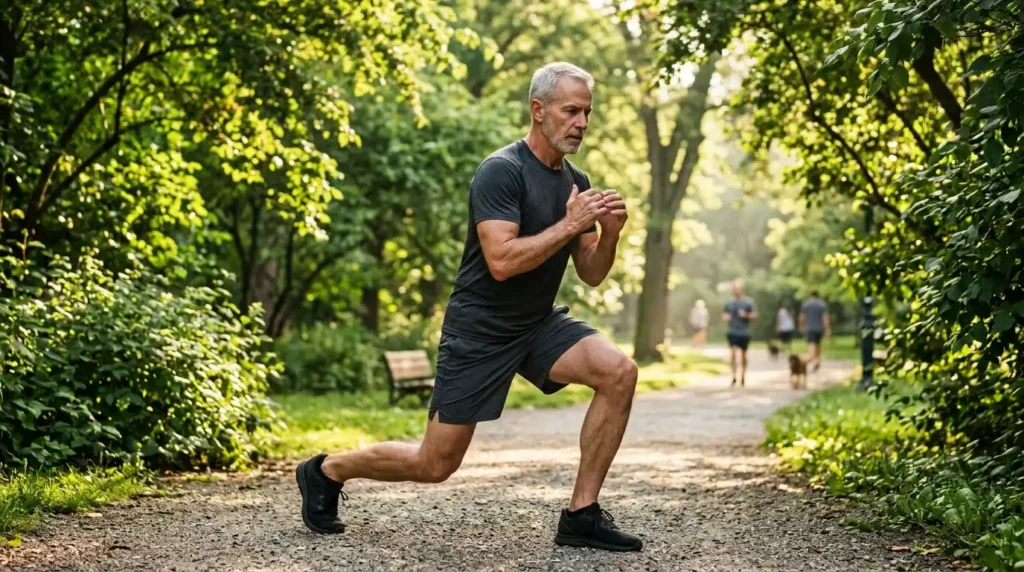
Physical decline is not an excuse to stay on the couch. Men who give up let their bodies sit still, which speeds up weakness. Men who thrive treat physical exercise like daily health insurance.
Building physical reserve gives your body extra buffer strength. When an unexpected illness or injury hits, a strong body bounces back fast. You are not training for looks or vanity anymore. You are training to keep your personal independence.
Try to get 150 to 300 minutes of moderate movement every week. Add strength exercises at least two days a week to protect your muscles and bones. These daily actions are core habits of strong older men.
Action Step: Start with two basic body weight strength sessions every week.
3. They Anchor to a Purpose Beyond Themselves

Losing your job title can feel like losing your name. Men who give up spend their days looking back at past achievements. Resilient older men build a new mission that gives them a reason to wake up early.
Real strength comes from focusing on something bigger than your own comfort. Having a clear mission keeps your memory sharp and prevents feelings of uselessness. You can mentor a younger person, help a neighbor, or lead a local community effort.
Your life experience is valuable to others. Sharing what you know gives you fresh drive and energy every day.
Action Step: Find one local group where your skills can help someone else.
4. They Practice Cognitive Flexibility and Acceptance

Stubbornness is often confused with strength, but rigidity is the fastest way to break. Men who give up get angry when their bodies slow down or plans change.
Resilient men adapt without complaining. If you can no longer run five miles, you take up swimming or riding a bike. You focus on what you can control right now and accept what you cannot change.
Adapting your habits keeps you active and independent. Learning to adjust gracefully is essential for psychological resilience in aging.
Action Step: Swap one hard physical activity for a low impact option today.
5. They Release Grudges and Practice Aggressive Forgiveness
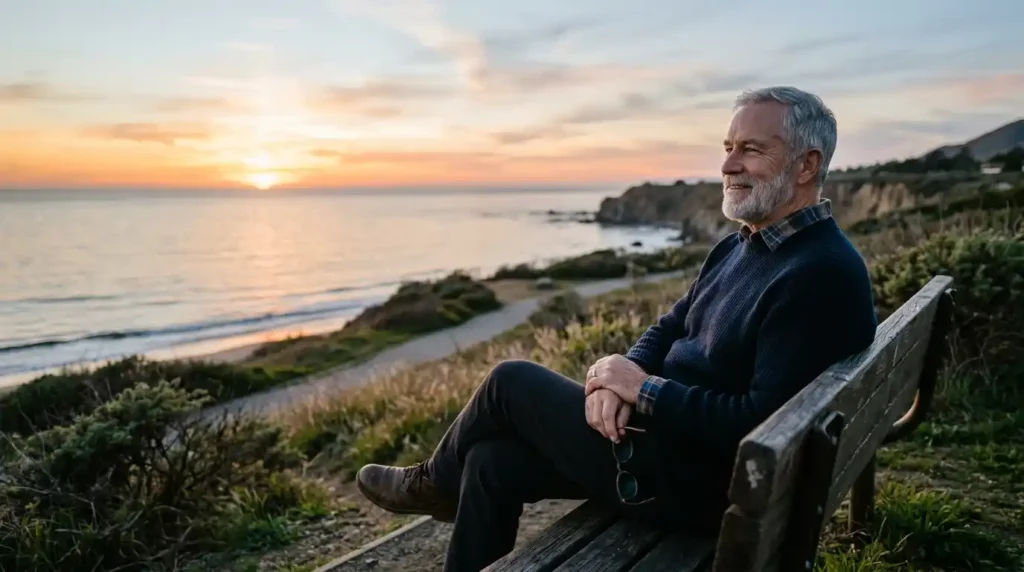
Carrying old anger is like holding a hot coal. Men who give up spend years feeling bitter about past slights or unfair moments.
Resilient men let go of bad feelings to protect their own peace. Holding onto anger creates stress that wears down your heart and immune system. Forgiving someone does not mean you agree with what they did. It means you refuse to let past problems ruin your present day.
Letting go clears your mind and gives you emotional energy for things that matter. Improving mental health in older men requires clearing out useless emotional baggage.
Action Step: Write down one past resentment and decide to let it go today.
6. They Fiercely Protect Their Sleep Architecture and Routine
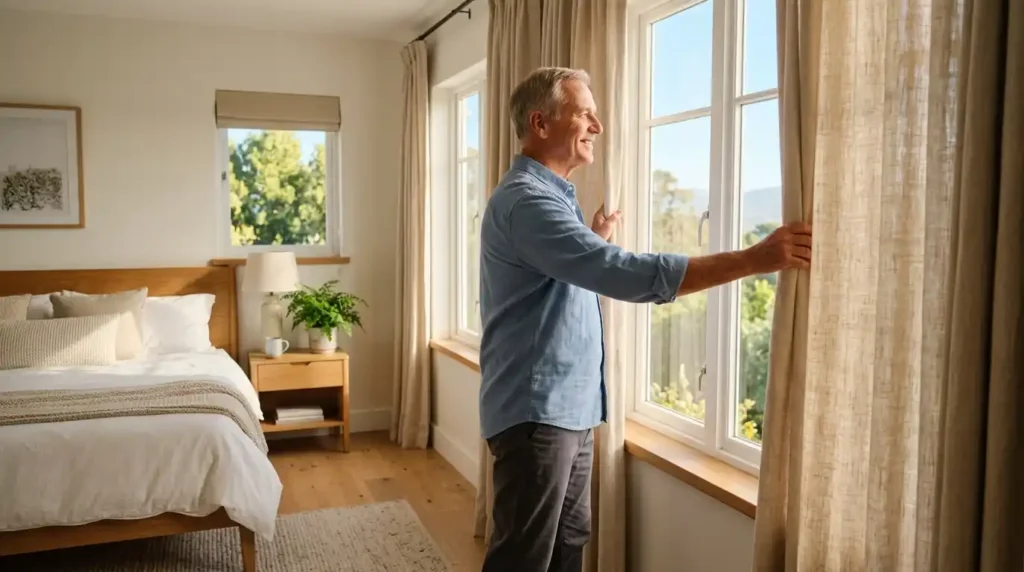
Without a work clock telling you when to wake up, your daily routine can fall apart. Men who give up stay up late and sleep in, which messes up their energy.
Strong men keep a strict schedule for going to bed and waking up. High quality sleep is where your brain repairs damage and regulates your mood. Sticking to a steady sleep schedule gives you steady energy and mental clarity throughout the day.
If sleeping is hard, simple daily sleep habits or basic wellness tools can reset your clock. Maintaining a fixed wake time is one of the key habits of strong older men.
Action Step: Set a fixed wake time for every morning and stick to it.
7. They Approach Adversity with Deep Curiosity, Not Fear
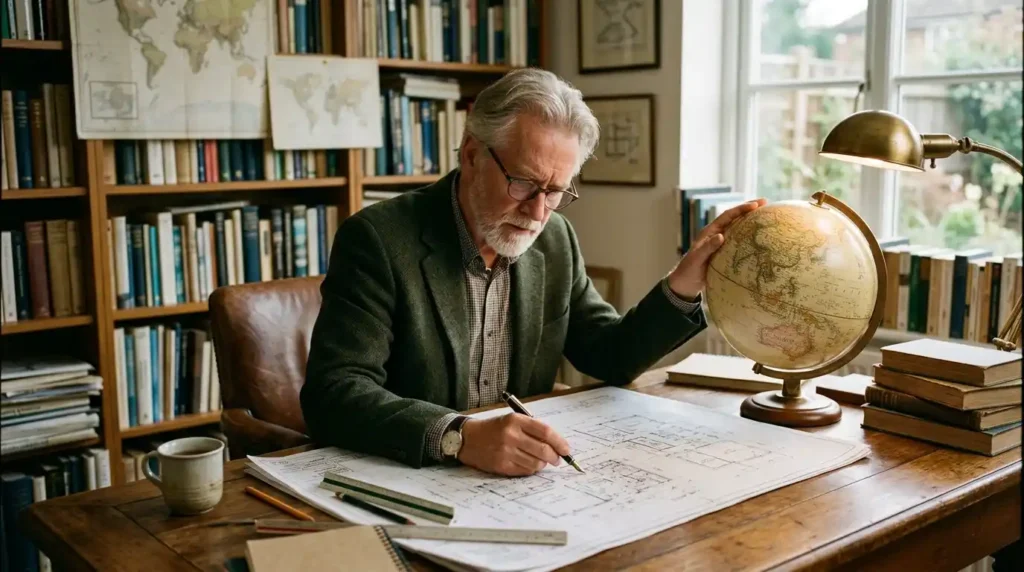
When health scares or sudden life changes happen, men who give up panic or ignore the problem. Resilient older men lean in and ask smart questions.
They look at challenges like puzzles that need solving. They ask experts questions, read up on facts, and adjust their plans. Keeping a curious mind keeps your brain healthy and builds mental reserves that protect against memory loss.
Treating hard situations as learning opportunities keeps you in control of your life. Facing problems with active curiosity builds true resilience.
Action Step: Write down three clear questions to help solve your current challenge.
Frequently Asked Questions
Can you build resilience if you have never been a resilient person?
Yes. Resilience is a skill you build through daily actions, not a trait you are born with. Starting small habits today builds strength over time.
How do you build a new social circle after leaving work?
Look for local clubs, hobby groups, or volunteer teams where men work on projects together. Focus on showing up regularly at the same place.
Why is physical strength so important for mental health in older age?
Physical strength gives you confidence and keeps you independent. Staying active reduces stress hormones and improves sleep quality.
What is the best way to find purpose after retiring?
Look for ways to share your lifetime of skills with others. Mentoring, volunteering, or helping family members provides clear daily meaning.
Final Thoughts on Staying Strong
Growing older brings real challenges, but giving up is always a choice. The difference between pulling back and living a full life comes down to your daily habits. When you build strong connections, stay active, and keep a clear mission, you protect your independence.
You do not need to change everything overnight. Pick just one habit from this guide and start tomorrow morning. Go for a brisk walk or call a friend to catch up. Taking small actions every day is how you join the ranks of resilient older men.

