How to Mix and Match Minimalist Outfits for Men

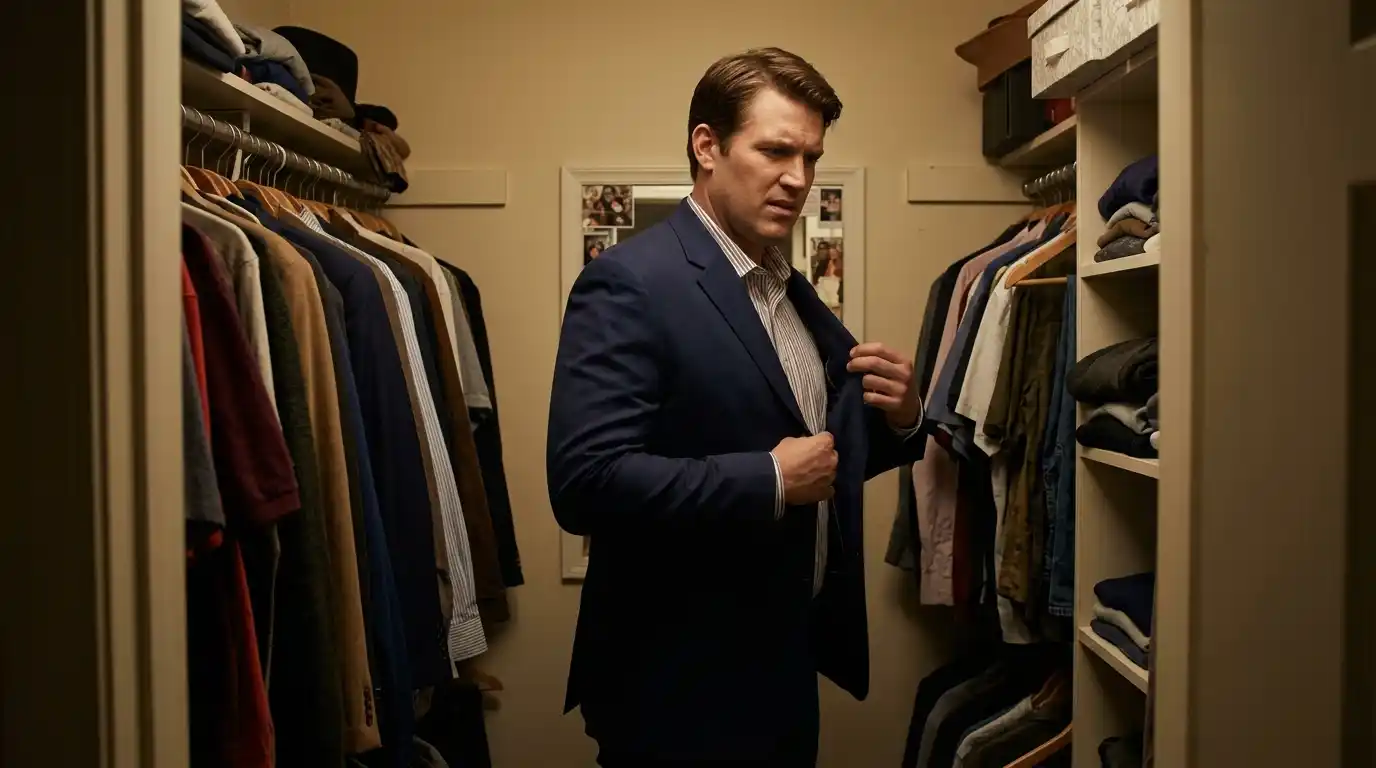
Walking into a crowded closet and feeling like you have absolutely nothing to wear isn’t a space problem.
It is an organization problem, and learning how to mix and match minimalist outfits for men will fix it completely.
For men over 6 feet tall with broader or curvier physiques, the minimalist trend can feel incredibly risky. Standard fashion advice often pushes razor thin cuts that restrict your movement.
The alternative is usually oversized silhouettes that make a large frame look needlessly boxy. You end up with shirts that shrink into crop tops after one wash, or pants that pinch at your waist while bagging at your ankles.
This guide changes that. You will learn exactly how to build a high utilization system using low stress wardrobe pieces that honor your actual height and proportions.
By focusing on a few men’s capsule wardrobe essentials, you can look sharp every day without the morning headache.
The 3 Architectural Rules for Tall and Curvy Style
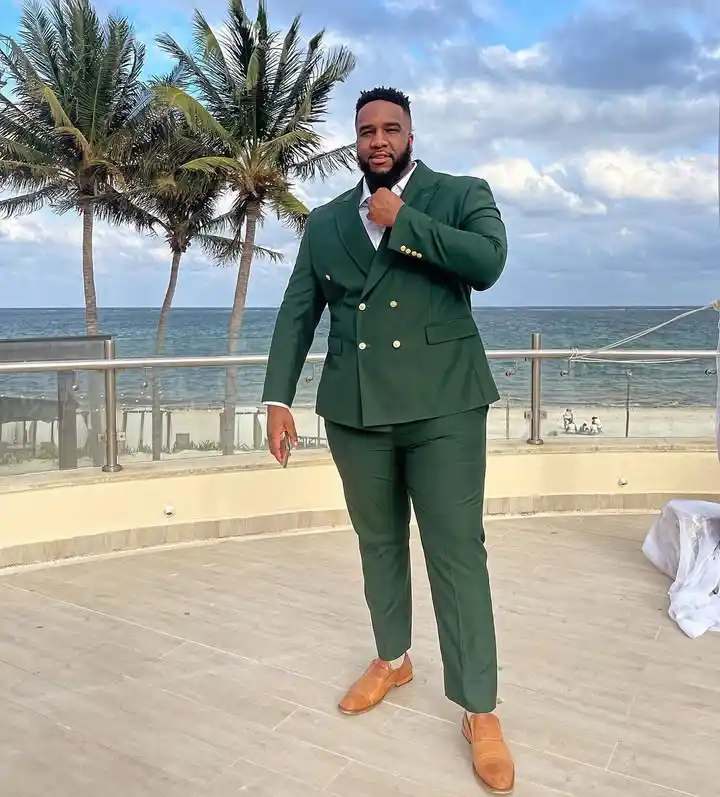
Minimalism fails the moment you treat it as a restriction exercise rather than an architectural project.
You do not need to live out of a tiny suitcase. You just need rules that serve your large frame.
The first rule is the 3 to 1 versatility metric. Every new item you buy must pair cleanly with three items you already own.
If a piece cannot be styled effortlessly three different ways, it is actively working against your closet and wasting your money.
Recent 2026 Rawshot AI Menswear data shows that 57% of men prefer neutral colors when purchasing clothing specifically to reduce this kind of visual clutter.
The second rule is prioritizing structure over volume. If you are over 6’2″ and carry weight in your shoulders or midsection, cheap synthetic fabrics will cling to the wrong places.
You want mid weight materials that drape straight down to create a clean silhouette. This gives you room to move without making you look wider than you are.
The final rule is building a high utility palette. Stick to four foundational colors:
- Black: Creates an instant slimming vertical line.
- Charcoal: A softer alternative to black that looks excellent in knitwear.
- Navy: Adds rich color while remaining completely neutral.
- Cream: Softens the overall look without the stark brightness of pure white.
A bad outfit choice breaks down your entire look. A bright pattern or a poorly fitting shirt draws attention to awkward proportions.
This minimalist menswear style guide relies on these four colors because they blend together perfectly. You can grab any top and any bottom in the dark morning light and know they match. This is how you accumulate versatile casual clothes for men that actually get worn.
3 Core Essentials That Honor Your Proportions
When you have a larger or taller frame, thin fabric is your primary enemy. It wrinkles easily and loses its shape after a few hours of wear. To fix this, you must change what you look for on the clothing tag.
| Essential Item | Ideal Specification | Frame Benefit |
|---|---|---|
| Heavyweight Tee | 260+ GSM Cotton | Drapes flat, no cling |
| Oxford Button-Down | Mid-weight Cotton | Creates vertical lines |
| Mid-Rise Chinos | Straight-Leg Cut | Balances long legs |
First, invest in heavyweight t shirts. Look for shirts labeled 260+ GSM, which stands for grams per square meter.
This heavy cotton fabric drapes flat over your chest and stomach instead of clinging. It hides undergarment lines and holds its shape through dozens of laundry cycles.
Second, buy mid weight Oxford Button Downs and structured overshirts. A good overshirt is a secret weapon for tall men.
Look for a straight hem overshirt that falls exactly mid fly. When left unbuttoned, the vertical fabric panels create two clean lines down your torso. This makes your frame look balanced and put together.
Third, source straight leg mid rise chinos and dark wash denim. Avoid skinny cuts that make your legs look like toothpicks.
Avoid baggy cuts that make you look sloppy. A straight leg cuts directly down from the hip to balance your height. Choose a mid rise waist so the pants sit comfortably where they belong without sagging.
Your base layers dictate exactly how your outer garments sit on your body. If your t shirt is too thin, your overshirt will look bumpy and messy.
Your footwear choices matter here too. Your shoes must cleanly anchor your trousers. Low profile, clean soled leather sneakers win every single time over bulky, chunky trends.
The 3 Step Mix and Match Blueprint

Let’s build three distinct, repeatable blueprints using the exact same core items. Industry retail analytics show that 41% of men are willing to pay more for high quality clothing because they want simple systems. These setups maximize your investment.
1. The Smart Casual Baseline
This outfit works for office days, casual dinners, or weekend events.
- Top: Navy structured overshirt worn open over a cream heavyweight t shirt.
- Bottom: Tailored charcoal chinos.
- Shoes: Minimalist white leather sneakers.
2. The High-Line Weekend
This setup keeps you comfortable while running errands without looking like you just left the gym.
- Top: Charcoal premium crewneck knit sweater.
- Bottom: Raw or dark wash denim jeans.
- Shoes: Clean dark leather boots.
3. The Easy Transition Layer
Use this combination when you need to look professional quickly.
- Top: Light grey Oxford Button Down tucked in cleanly.
- Bottom: Navy straight leg chinos.
- Layer: An unlined, structured blazer to elongate your torso.
[ Base Layer ] + [ Bottoms ] + [ Transition Layer ] = Completed Blueprint
You can transition from casual daytime looks into polished evening styles easily. Swap your casual overshirt for an unlined blazer.
Keep the same t shirt, chinos, and sneakers. The structure of the blazer instantly elevates the casual pieces underneath.
You do not need to spend hours planning your clothes. By sticking directly to these core formulas, you reduce your morning routine down to less than two minutes.
How to Audit Your Closet in 10 Minutes
True minimalism isn’t about owning next to nothing. It is about making sure the pieces you do own do the hard work for you.
You do not need a massive budget to start dressing better. You need to eliminate the distractions.
Take ten minutes to audit your current rotation today. Open your closet and look at every item using a simple checklist:
- Does it fit my height right now without pulling or sagging?
- Can I wear this with three different pairs of pants?
- Is the fabric thick enough to hold its own shape?
Remove the single use items that do not fit your body type. Stop buying thin, cheap shirts that lose their shape in the wash. Focus heavily on premium fabric weight and let your natural proportions dictate the fit.
You can track your outfits using phone apps like Cladwell or Stylebook to see your progress. Build a dependable wardrobe that makes dressing simple, reliable, and comfortable every single day.

